






Seven days is enough time to do the classic Tokyo–Kyoto–Osaka route properly without turning it into a checklist sprint — but only if you resist the urge to add a fourth or fifth city. This itinerary assumes that’s your route, and it’s built around the two questions that actually shape a Japan trip: how to split your days, and whether a JR Pass makes sense for this specific route (it might not — more on that below).
The route: Tokyo (4 nights) → Kyoto (2 nights) → Osaka (1 night, or a day trip from Kyoto)
Days 1–4: Tokyo
Four full days is enough to cover Tokyo’s major areas without feeling rushed — Shibuya and Shinjuku for the energy and skyline views, Asakusa for Senso-ji and the old-Tokyo feel, and at least one full day picked from Akihabara, Harajuku/Omotesando, or a day trip to Nikko or Kamakura if temples and mountains appeal more than a fifth neighborhood in the city itself. Jet lag also tends to hit hardest in the first 48 hours, so front-loading Tokyo (rather than starting in a smaller city) gives you the most forgiving place to be a little slow on day one. Our full First-Timer’s Guide to Tokyo goes deeper on neighborhood-by-neighborhood planning.
Days 5–6: Kyoto
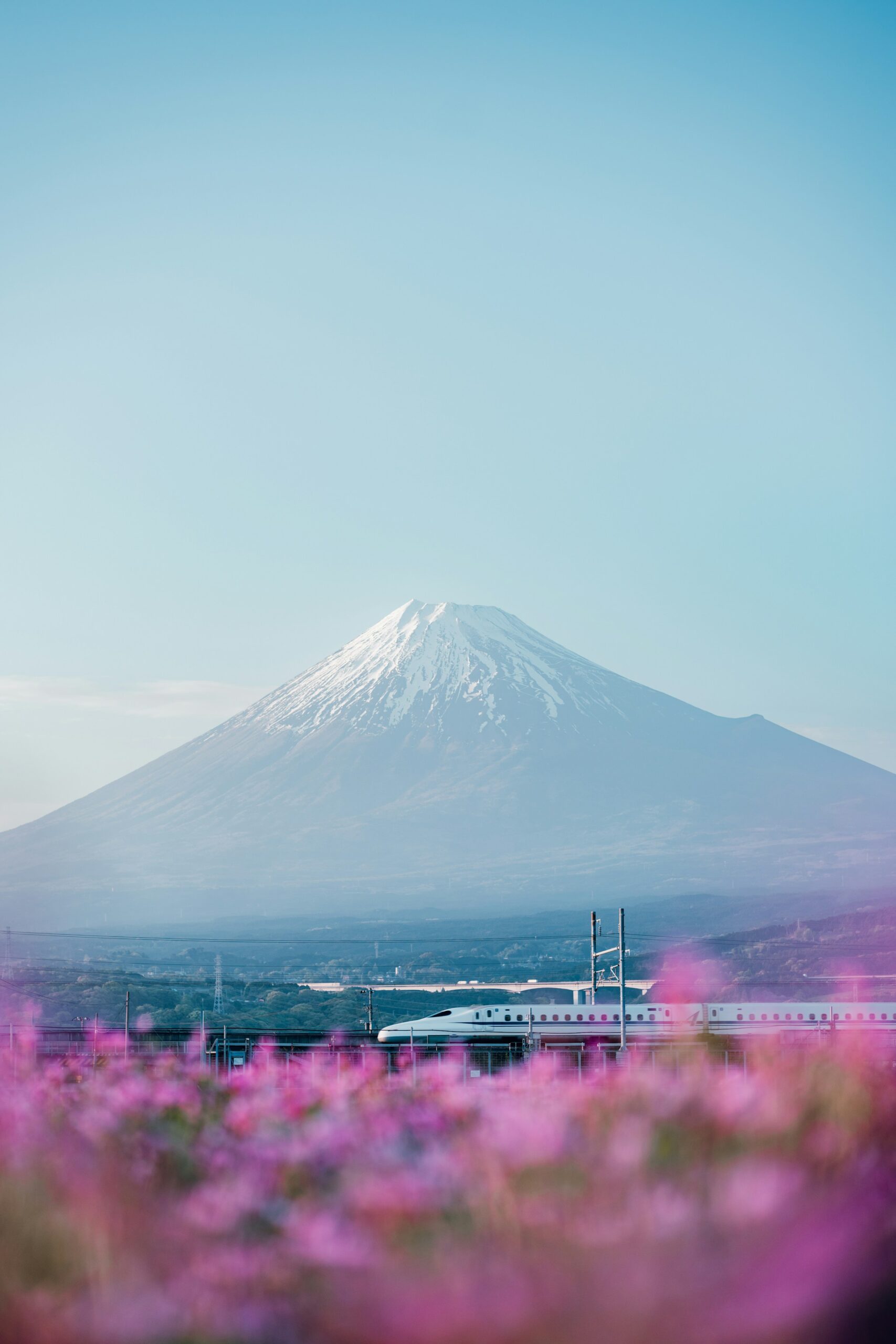
The shinkansen from Tokyo to Kyoto takes about 2 hours 15 minutes on the fastest trains — genuinely one of the best travel-day experiences in the world, not just a means of transport. Two full days covers the highlights without rushing: Fushimi Inari’s torii gate trails (go early, ideally before 8am, to beat both crowds and heat), Kinkaku-ji, and a walk through the Gion district in the early evening. Arashiyama’s bamboo grove is worth it but gets crowded fast — same advice as Fushimi Inari, go early.
Day 7: Osaka
Osaka is a 15-minute shinkansen ride from Kyoto, which makes it genuinely viable either as a day trip staying based in Kyoto, or as a final overnight before flying out (Kansai Airport serves Osaka directly). Either way, this is the food day of the trip — Dotonbori for takoyaki and okonomiyaki, and Osaka Castle if there’s time before dinner.
Should you buy a JR Pass for this route?
This is worth doing the actual math on rather than defaulting to yes, because the answer changed after a 2023 price increase that a lot of older advice online hasn’t caught up with. As of 2026, the nationwide 7-day Ordinary-class JR Pass costs ¥50,000 (rising to ¥53,000 for overseas purchases from October 2026).
For the exact Tokyo–Kyoto–Osaka route in this itinerary: a round-trip Tokyo–Kyoto shinkansen ticket costs roughly ¥27,940 booked individually, plus a short, cheap Kyoto–Osaka–Kyoto hop. That combination comes in well under the ¥50,000 pass price — meaning for this specific three-city route, buying individual tickets is very likely cheaper than the pass. The math flips if you add a fourth city with another long-distance leg (Hiroshima is the classic example) — at three or more shinkansen legs, the pass starts winning.
Practical takeaway: for exactly the itinerary above, skip the JR Pass and buy point-to-point tickets (either at the station or via a reserved-seat booking app) or use an IC card for the shorter Kyoto–Osaka leg. If you’re extending this trip to a fourth city, do the math again before assuming the pass is worth it — it’s route-dependent, not automatic either way.
What this route actually costs
Rough per-person estimate for 7 days, mid-range travel style, not counting international flights: ¥110,000–150,000 (roughly $750–1,000 USD at typical exchange rates), covering accommodation, the Tokyo–Kyoto–Osaka train legs, city transport, food, and typical sightseeing/temple entry fees. It moves lower if you lean on convenience-store meals and business hotels, and meaningfully higher if a ryokan night with kaiseki dinner is part of the plan — worth budgeting for as an addition rather than folding into the average, since it’s genuinely a different price tier.
Before you go
Two things worth confirming before you book: whether you need a visa (most Western passport holders don’t) and when to actually go, since this exact itinerary plays out very differently in cherry-blossom-season Tokyo versus a quiet January. And if seven days turns into a full trip-planning project, our complete Japan Travel Guide covers all of this — and considerably more depth on each city — in one place.
Frequently asked questions
Is 7 days enough for Japan?
Yes, for a first trip focused on Tokyo, Kyoto, and Osaka — it’s tight enough that you shouldn’t try to add a fourth city without cutting time from the other three.
Is the JR Pass worth it for a Tokyo-Kyoto-Osaka trip?
Usually not, as of 2026 pricing — individual tickets for this specific route typically cost less than the ¥50,000 nationwide pass. It becomes worth it with a fourth city and a third long-distance shinkansen leg.
Should I stay in Kyoto or Osaka to see both cities?
Either works, since they’re 15 minutes apart by shinkansen — Kyoto has the better base atmosphere for temples and early mornings, Osaka has the better nightlife and food scene if that matters more for your final night.
Planning a different trip? See 7 Days in Italy: The Complete Itinerary.
Also see 7 Days in Thailand.
Planning a trip to Japan? See the full Japan travel guide, or get the complete Japan Travel Guide for offline itineraries and insider tips.

Destinations Editor at Travelcho, covering food culture, city guides, and budget travel across Asia and Europe.