






Last verified: July 2026.
France sits at a Level 2 “Exercise Increased Caution” advisory from the US State Department — one notch above Japan, Italy, and Thailand’s Level 1 rating, mainly reflecting the possibility of demonstrations and, less commonly, terrorism risk rather than a warning about everyday tourist safety. For the actual experience of visiting Paris or elsewhere in France, the honest framing is the same one that applies to Italy: violent crime against tourists is genuinely rare, and the real, specific risk is organized petty theft — which in France is executed with a level of skill that’s earned the country an unflattering reputation as Europe’s capital of the pickpocket trade.
Where pickpocketing actually concentrates
This isn’t diffuse background risk — it clusters on specific, known routes, which makes it genuinely avoidable with the right awareness:
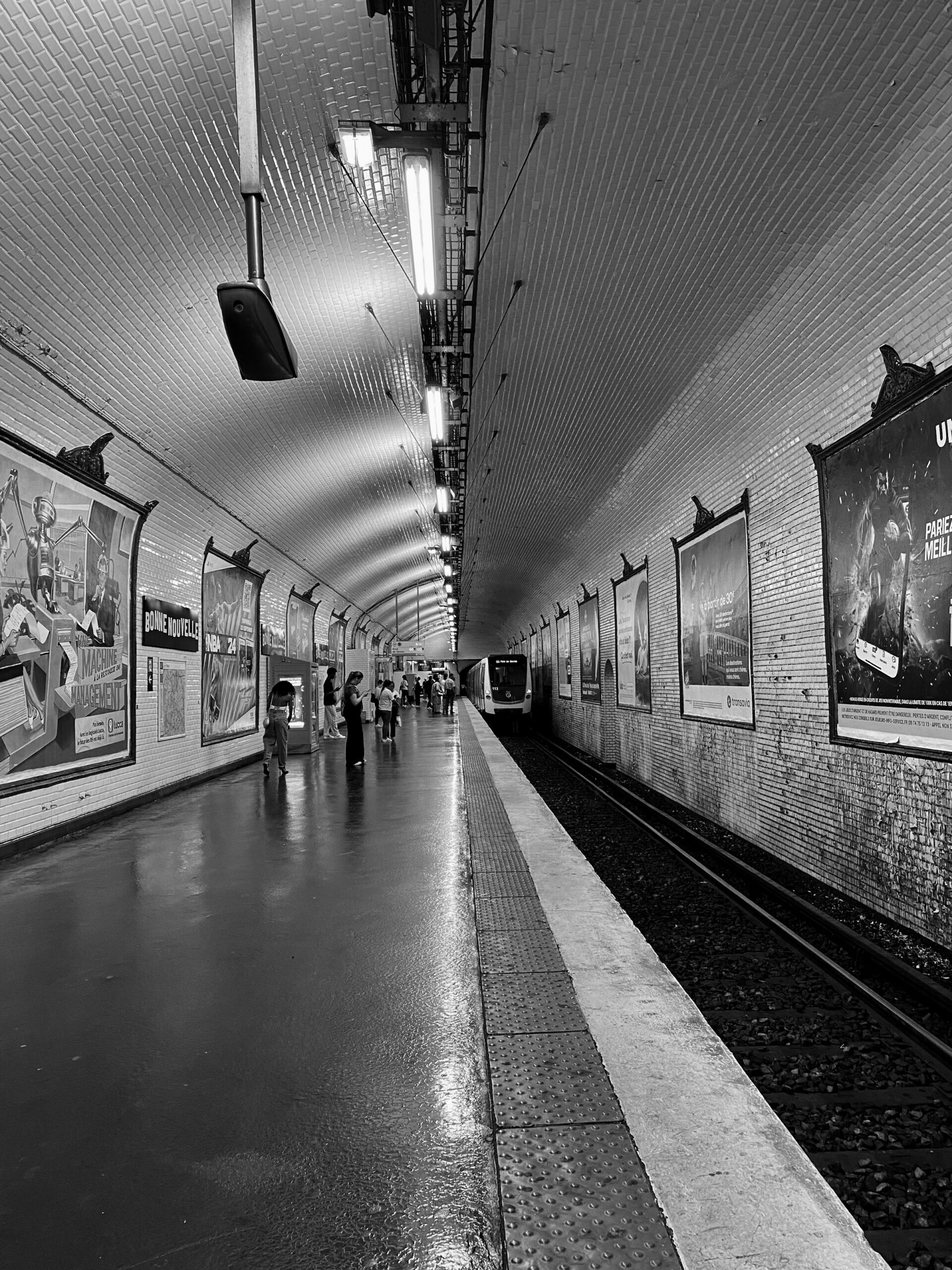
- Metro lines 1, 6, and 9 specifically, and above all Châtelet–Les Halles and Gare du Nord stations — the busiest interchange points in the system, and exactly where a crowd provides cover. Thieves frequently work in coordinated groups, including minors.
- The immediate streets around Gare du Nord and Gare de l’Est late at night — busy, transient, and worth an official taxi or rideshare straight to your accommodation rather than walking with luggage after dark.
The defense is the same unglamorous basics that work everywhere this kind of theft concentrates: bag worn across the body and in front of you, phone not left loose in an open bag or back pocket, extra attention specifically on those two Metro interchanges rather than a vague sense of caution everywhere.
The scams worth knowing by name
- The friendship bracelet. Concentrated around Montmartre and Sacré-Cœur — someone ties a bracelet onto your wrist before you can object, then demands payment. Keep walking and don’t let anyone tie anything onto you on the street.
- The “found” gold ring. A stranger “discovers” a ring on the ground near you, offers it as a gift, then asks for money once you’ve taken it. Simply don’t engage or accept anything offered this way.
- The clipboard petition. A group, often teenagers, approaches with a clipboard asking you to sign a petition for a cause — while an accomplice works your pockets or bag during the distraction. Politely declining and stepping back is enough; you don’t owe anyone an explanation.
What isn’t the real risk
Despite the Level 2 advisory, the actual likelihood of encountering a demonstration that affects your trip is low outside specific, usually announced protest days — and French demonstrations are, with rare exceptions, not targeted at tourists and simply worth avoiding if you happen to walk into one, the same as you’d route around any large public gathering.
Practical habits worth having anyway
- Be specifically more alert on Metro lines 1, 6, and 9, and especially at Châtelet–Les Halles and Gare du Nord — this one piece of route-specific knowledge covers a large share of the actual risk.
- Keep a photo of your passport and any entry documentation on your phone.
- Save 112, the general European emergency number, which works throughout France.
The bottom line
France’s Level 2 rating looks more alarming on paper than it feels on the ground for a typical tourist itinerary — it’s driven by demonstration and security-risk factors most visitors never encounter, not street-level danger. The pickpocketing risk is real and specific enough to name exact Metro lines, which — unlike vaguer “be careful” advice — is actually useful: know those two stations, keep your bag in front of you, and decline anything a stranger tries to hand you or tie onto you on the street.
For the rest of the planning picture, see our visa guide, when to go, and full France Travel Guide. Also see Is Italy Safe to Travel? and Is It Safe to Travel to Thailand?.
Frequently asked questions
Is the Paris Metro safe?
Yes, in terms of personal safety — the real risk on it is pickpocketing, concentrated specifically on lines 1, 6, and 9 and at the Châtelet–Les Halles and Gare du Nord interchanges.
Why does France have a Level 2 travel advisory?
Mainly reflecting the possibility of demonstrations and a general terrorism-risk factor common across much of Western Europe, not a specific warning about everyday street safety for tourists.
What’s the most common scam in Paris?
The friendship bracelet scam around Montmartre is one of the most persistent; the “found” gold ring and clipboard petition scams are close behind.
Comparing destinations? See Is It Safe to Travel to Japan?, Is Italy Safe to Travel?, and Is It Safe to Travel to Thailand?.
Also see Is Greece Safe to Travel?.
Also see Is Peru Safe to Travel?.
Also see Is Iceland Safe to Travel?.
Also see Is Switzerland Safe to Travel?.
Also see Is Morocco Safe to Travel?.
Planning a trip to France? See the full France travel guide, or get the complete Paris Travel Guide for offline itineraries and insider tips.

Destinations Editor at Travelcho, covering food culture, city guides, and budget travel across Asia and Europe.