

“Spring and autumn” is the answer you’ll get everywhere, and it’s not wrong — but it’s not the whole picture, and it glosses over the actual trade-off, which is that the two best weather windows are also the two most crowded and expensive ones. Here’s what each season actually means for a trip, so you can pick the one that matches what you’re actually optimizing for.
Spring (March–May): cherry blossoms, crowds, and the highest prices of the year
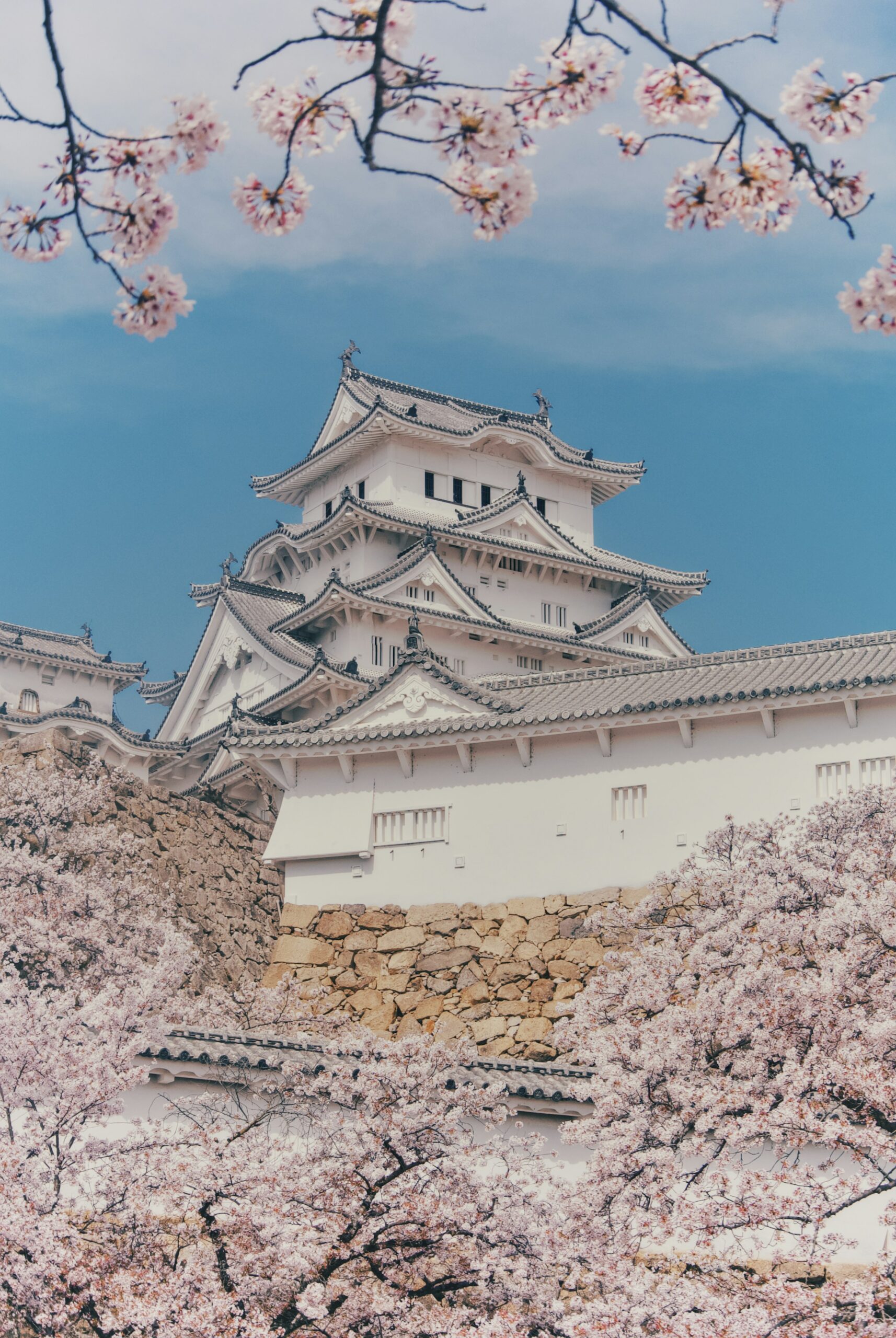
This is peak season for a reason. Cherry blossoms (sakura) typically reach full bloom in most of the country from late March into early April — Japan’s Meteorological Corporation publishes updated bloom forecasts from late January each year, and it’s worth checking that forecast before locking in dates, since the window is genuinely narrow (full bloom rarely lasts more than a week or two in any one city). Tokyo, Kyoto, and Osaka all bloom around the same late-March-to-early-April window.
The trade-off: this is also when flights and hotels are most expensive and hardest to book, and popular blossom spots get genuinely crowded. If cherry blossoms are the reason you’re going, book accommodation months ahead. If they’re a nice-to-have rather than the point of the trip, the last two weeks of April — after peak bloom, before the crowds fully clear — is a reasonable middle ground.
Early summer (June–July): the rainy season most visitors don’t plan around
Japan’s rainy season (tsuyu) runs roughly early June through mid-July across most of Honshu. It’s not the torrential, trip-ruining rain some people picture — more consistent, humid, grey-sky weather with regular showers — but it does mean less predictable outdoor days. This is genuinely a below-average time to visit for most travelers, and it’s also correspondingly cheaper and quieter, which is worth factoring in if flexibility on weather is fine but budget isn’t.
Mid-to-late summer (August): heat, humidity, and typhoon season starting
August in most of Japan is hot and humid, regularly climbing above 30°C (86°F) with humidity that makes it feel worse. It’s also the start of typhoon season, which peaks through September — storms mainly track through Okinawa, Kyushu, and Shikoku, bringing heavy rain and wind more widely for a day or two when one passes through. August is popular anyway, mostly because it’s when Japanese school summer holidays fall and because of Obon, a major holiday period in mid-August when domestic travel spikes and some businesses close. Unless a specific summer festival is the reason for your trip, this is the season with the least favorable weather-to-crowd ratio.
Autumn (late September–early December): the other best window
Autumn colour (koyo) moves down the country the opposite direction cherry blossoms move up it — starting in Hokkaido in mid-September, reaching Tohoku and the mountains through October, and hitting Tokyo, Osaka, and Kyoto at their peak in the second half of November into early December. October itself is arguably the most underrated month to visit Japan: the heat and humidity of summer have broken, it’s not yet the crowded leaf-peeping peak, and rain is less consistent than the June rainy season. November is spectacular for colour but predictably busier and pricier as a result, in much the same pattern as cherry blossom season.
Winter (December–February): the quiet, underrated option
Winter is Japan’s off-season for a reason most visitors never test — it’s genuinely cold, especially north of Tokyo, and cherry blossoms and autumn colour are both off the table. What you get instead: the lowest prices and thinnest crowds of the year, exceptional skiing and hot springs (onsen) culture, and — in Kyoto specifically — a version of the city’s famous temples with almost nobody else in them, which is a completely different experience than the same temples in April. If snow, hot springs, or simply having space to yourself matter more to you than blossoms or leaves, winter is a legitimately good call, not just a budget compromise.
The short version
| If you want… | Go in… |
|---|---|
| Cherry blossoms | Late March–early April (book early, expect crowds) |
| Best weather-to-crowd ratio | October |
| Autumn colour | Mid-to-late November |
| Lowest prices, thinnest crowds | January–February (excluding New Year holidays) |
| Skiing / onsen | December–February |
| To avoid: heat, humidity, rain, typhoon risk | Skip June–September if any of these are dealbreakers |
Whichever season you land on, the rest of the planning picture is covered in our 7-day itinerary, visa guide, and full Japan Travel Guide.
Frequently asked questions
What is the cheapest month to visit Japan?
January and February, outside the New Year holiday period (late December–early January, when domestic travel spikes) — the coldest months are also the least crowded and least expensive.
Is October a good time to visit Japan?
Yes, and it’s arguably underrated — the heat of summer has broken, typhoon risk is dropping, and it’s before the November autumn-colour crowds peak.
Should I avoid Japan during typhoon season?
You don’t need to avoid it entirely — typhoons mainly affect Okinawa, Kyushu, and Shikoku for a day or two at a time — but August–September carries real weather-disruption risk worth building flexibility around if your itinerary is tightly scheduled.
Weighing destinations? Compare with Best Time to Visit Italy.
Also see Best Time to Visit Thailand.
Also see Best Time to Visit France.
Also see Best Time to Visit Greece.
Also see Best Time to Visit Peru.
Also see Best Time to Visit Iceland.
Also see Best Time to Visit Switzerland.
Also see Best Time to Visit the USA.
Planning a trip to Japan? See the full Japan travel guide, or get the complete Japan Travel Guide for offline itineraries and insider tips.

Destinations Editor at Travelcho, covering food culture, city guides, and budget travel across Asia and Europe.