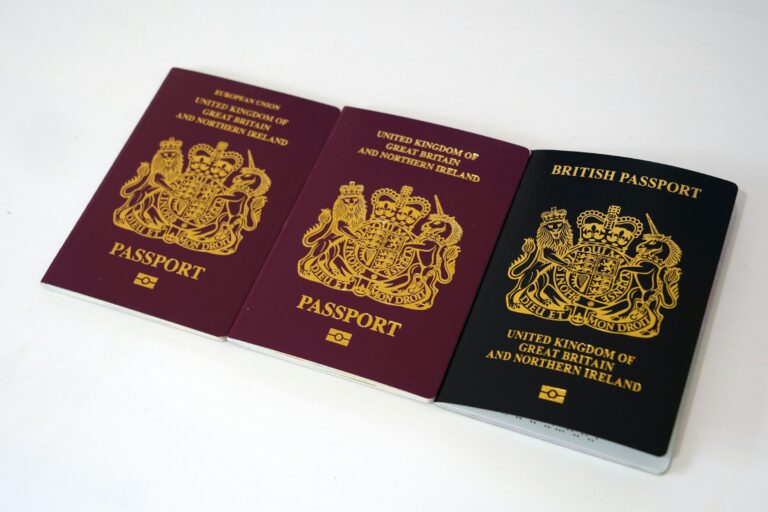








Italy doesn’t run its own separate tourist visa system for short visits — it’s part of the Schengen Area, so the entry rules that apply are the same 29-country rulebook covered in full in our Schengen Visa Guide. This page is the short version, applied specifically to a trip that’s just Italy.
The short answer
If you’re a passport holder from the US, UK, Canada, Australia, or most of Europe, you can enter Italy visa-free for tourism, for up to 90 days within any rolling 180-day period. That 90 days isn’t Italy-specific — if your trip also includes France, Spain, or any other Schengen country, all of those days draw from the same shared allowance, not a fresh 90 days per border crossed. The full mechanics of how that rolling window works are in the Schengen guide — worth reading in full if your trip is longer than a couple of weeks or spans multiple countries.
What’s coming: ETIAS
Starting in late 2026, visa-exempt visitors need to apply online for ETIAS before flying to any Schengen country, including Italy — a lightweight pre-travel authorization, not a visa, similar to the US’s ESTA. It costs €20, doesn’t change the 90-day limit, and is a pre-departure step rather than anything that affects your trip once you’ve landed.
Italy-specific notes worth knowing
- EU/Schengen citizens can enter with a national ID card, not just a passport — worth knowing if you’re traveling with family members holding different nationalities.
- If you’re planning to stay longer than the 90-day tourist allowance — study, work, or an extended stay — that requires an actual national visa applied for in advance through an Italian consulate, and typically a permesso di soggiorno (residence permit) applied for within days of arrival. That process is genuinely different from tourist entry and outside the scope of this guide.
- Border checks between Italy and its Schengen neighbors (France, Switzerland, Austria, Slovenia) are minimal to nonexistent for a standard land crossing — don’t expect a passport stamp at every border the way you would flying into a non-Schengen country.
Related reading
Once entry is sorted, the next planning questions are usually is Italy safe and when to go — or start from our full Italy Travel Guide.
Frequently asked questions
Do US citizens need a visa for Italy?
No — US passport holders can enter visa-free for up to 90 days within any 180-day period, under the Schengen tourist-entry rules.
Is ETIAS the same as a visa for Italy?
No — it’s a lighter pre-travel authorization required before boarding, not a visa, and it doesn’t change how long you’re allowed to stay.
Can I stay in Italy longer than 90 days?
Not on the standard tourist entry — a longer stay requires a national visa and, in most cases, a residence permit applied for after arrival, arranged through an Italian consulate before you travel.
Planning a trip further afield too? See Do You Need a Visa to Travel to Japan?.
Also see Do You Need a Visa to Travel to Thailand?.
Planning a trip to Italy? See the full Italy travel guide, or get the complete Italy Travel Guide for offline itineraries and insider tips.

Destinations Editor at Travelcho, covering food culture, city guides, and budget travel across Asia and Europe.