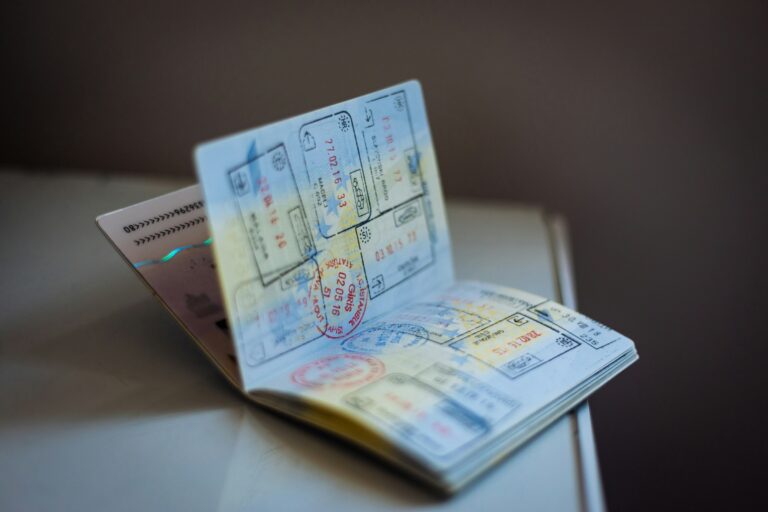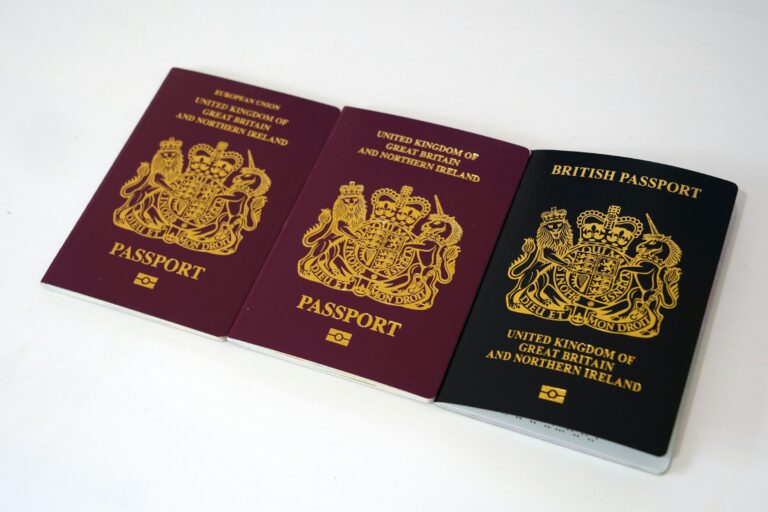








Visa requirements are one of the most confusing parts of trip planning, mostly because the rules genuinely differ by both your passport and your destination.
Three main categories
Visa-free: you simply arrive and get an entry stamp, often for a set number of days. Visa on arrival: you pay and receive your visa at the airport or border. E-visa: approved online before you travel, usually within a few days.
Always check the specific rules for your passport
Visa policy is based on your citizenship, not where you’re traveling from. Always verify current requirements directly with the destination country’s official immigration site — third-party sites can be outdated.
Common mistakes
Arriving with less than six months’ passport validity is one of the most common reasons for denied boarding. Some countries also require proof of onward travel, which budget one-way bookings can complicate.
Build in buffer time
E-visas that typically process in 48 hours occasionally take longer. Apply at least two weeks before departure whenever possible.
Passport validity rules trip up more travelers than visas do
Many countries require at least six months of passport validity remaining from your entry date, regardless of your visa status. Renew early if you’re within a year of expiration and planning international travel.
Transit visas are an easy thing to miss
Even if you’re not leaving the airport, some countries require a transit visa for layovers over a certain length, or if you’re changing terminals. Always check requirements for every stop on a multi-leg itinerary, not just your final destination.
Keep digital and physical copies of every approval
E-visa approval emails, entry stamps, and any visa-on-arrival receipts should be photographed and backed up separately from your phone, in case you’re asked to show proof of a valid visa after you’ve already entered the country.
Related Reading
Why visa policy differs so much by nationality
Visa requirements are governed by bilateral agreements and reciprocity between countries, not a single global standard. Two travelers visiting the same country on the same day can face completely different requirements based purely on their passport — always check the specific rule for your citizenship.
What ‘proof of onward travel’ actually means
Some countries require evidence you’ll leave before your visa expires, typically satisfied by a return or onward flight booking. If you’re traveling with an open-ended one-way ticket, research this requirement in advance — refundable onward bookings are a common workaround.
Working with a visa agency: worth it or not
For straightforward tourist visas, agencies rarely add value beyond what you can do yourself for free. For complex applications — multiple-entry business visas, countries with in-person interview requirements — a reputable agency can genuinely save time and reduce errors.
Overstaying has consequences beyond a fine
Even a short overstay can result in future entry bans, not just a monetary penalty, in a growing number of countries. Set a calendar reminder well before your visa’s expiration date, especially on longer trips where dates are easy to lose track of.
Visa-free doesn’t always mean paperwork-free
Even destinations offering visa-free entry sometimes require an online arrival registration or health declaration completed in advance. These are easy to overlook precisely because they’re not labeled as a visa, so always check current entry requirements beyond just visa status.
Multiple-entry vs. single-entry visas
If your itinerary involves leaving and re-entering a country — a common pattern for regional trips — confirm whether your visa allows multiple entries. A single-entry visa can strand you unexpectedly if your route requires crossing the same border twice.
A final word on staying current
Visa policy changes more frequently than most travelers assume, sometimes with little advance notice. Make checking official government sources part of your final pre-trip checklist every single time, even for destinations you’ve visited before under different rules.

Destinations Editor at Travelcho, covering food culture, city guides, and budget travel across Asia and Europe.