






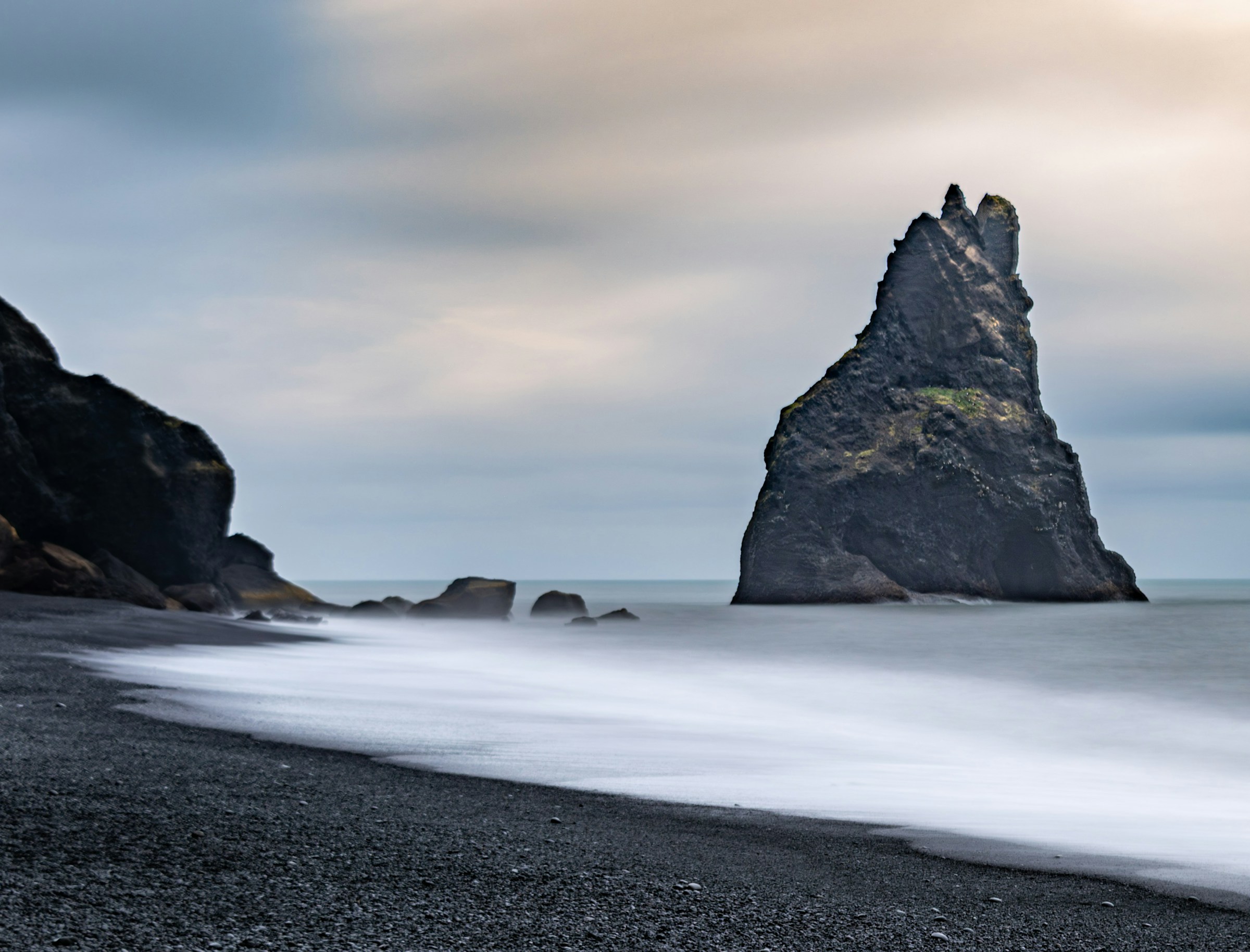
Two things make planning an Iceland trip genuinely different from almost anywhere else in this guide. First, there’s no single “good season” — winter and summer aren’t a better-or-worse trade-off, they’re two entirely different trips (chasing the northern lights in near-24-hour darkness, or driving the Ring Road in near-24-hour daylight), and deciding which one you actually want matters more than picking a month. Second, Iceland sits on some of the most volcanically active ground on Earth, which sounds alarming and, in practice, mostly isn’t — but it’s worth understanding honestly rather than either ignored or overblown.
Quick Facts
- Currency: Icelandic króna (ISK), though cards are accepted almost everywhere, including small purchases — Iceland is one of the most card-friendly, cash-optional countries in Europe.
- Language: Icelandic. English is spoken fluently and near-universally in tourism.
- Plug type: Type C/F, 230V — bring an adapter.
- Visa: Iceland is part of the Schengen Area — most Western passport holders enter visa-free for up to 90 days within any 180-day period. Full mechanics: Schengen Visa Guide; Iceland-specific notes: our visa guide.
- Best general-purpose time to visit: depends entirely on which trip you want — northern lights (roughly September–April) or midnight sun and full Ring Road access (June–August). Full breakdown: Best Time to Visit Iceland.
- Safety: extremely low crime; the real considerations are volcanic activity, weather, and driving conditions. Details: Is Iceland Safe to Travel?
About the volcanic activity — the honest, current picture
Iceland’s Reykjanes Peninsula has had more than 10 eruptions since 2021, and as of this writing, Iceland’s Meteorological Office considers another eruption in the Svartsengi area a real possibility in the near term. Here’s what that actually means for a visitor: it doesn’t. Flights into Keflavík International Airport have continued operating normally through every recent eruption cycle, the Ring Road stays open, tours run on schedule, and activity is consistently localized with controlled access managed by Icelandic civil protection authorities. There has been no general “do not travel” advisory for Iceland through any of this. If you want the live, authoritative status close to your travel dates, Iceland’s official sources — safetravel.is and the Icelandic Meteorological Office at en.vedur.is — publish real-time hazard data, and are worth a genuine check before you go rather than relying on international headlines, which tend to overstate what’s usually a contained, well-managed, and geographically localized situation.
Two trips, not one: pick your season deliberately
This is the single most important planning decision for an Iceland trip. Chasing the northern lights requires real darkness, which means traveling roughly September through April — but that same darkness means many F-roads and highland areas are closed for the season. Chasing the midnight sun and full Ring Road access means traveling June through August — but the sky barely gets dark enough to see the aurora at all during that window. There isn’t a compromise month that gets you both; deciding which experience you actually want should happen before you pick dates, not after.
Getting around
A rental car is close to essential outside Reykjavík — public transport beyond the capital is limited. A standard 2WD car handles the Golden Circle and a paved Ring Road route comfortably; F-roads into the highlands specifically require a 4×4, and are only open in summer regardless of vehicle. Full logistics, including the Golden Circle-first sequencing most itineraries use: 7 Days in Iceland.
What it costs
Iceland runs expensive by almost any comparison in this guide — a realistic mid-range daily budget, including a rental car, accommodation, food, and typical activities, lands around $200–280 per person per day. It’s genuinely one of the more expensive destinations covered here, and worth budgeting for accordingly rather than comparing against Southeast Asia or Eastern Europe pricing.
Where the rest of this coverage picks up
- Is Iceland Safe to Travel? — volcanic activity, weather, and driving conditions, honestly assessed
- Do You Need a Visa for Iceland? — Schengen rules applied to an Iceland trip
- Best Time to Visit Iceland — northern lights vs. midnight sun, in full
- 7 Days in Iceland: The Complete Itinerary — Golden Circle and South Coast, with real driving logistics
And for the depth beyond a first trip — full Ring Road planning, F-road access, and the detail this page can only summarize — that’s what our Iceland Travel Guide is built for.
Planning a trip to Iceland? See the full Iceland travel guide, or get the complete Iceland Travel Guide for offline itineraries and insider tips.

Destinations Editor at Travelcho, covering food culture, city guides, and budget travel across Asia and Europe.