

The Greek islands are not one destination but dozens of genuinely different ones, ranging from party-focused Mykonos to sleepy, barely-visited outposts in the eastern Aegean. Picking the right combination matters more than picking the most famous names.
Santorini: worth it, with realistic expectations
Santorini’s caldera views are genuinely spectacular, but the island is small, crowded in peak season, and more expensive than most of its neighbors. Visit for two to three days, stay in Imerovigli rather than Oia for similar views at lower prices, and go in shoulder season if you can.
Mykonos: nightlife and beach clubs
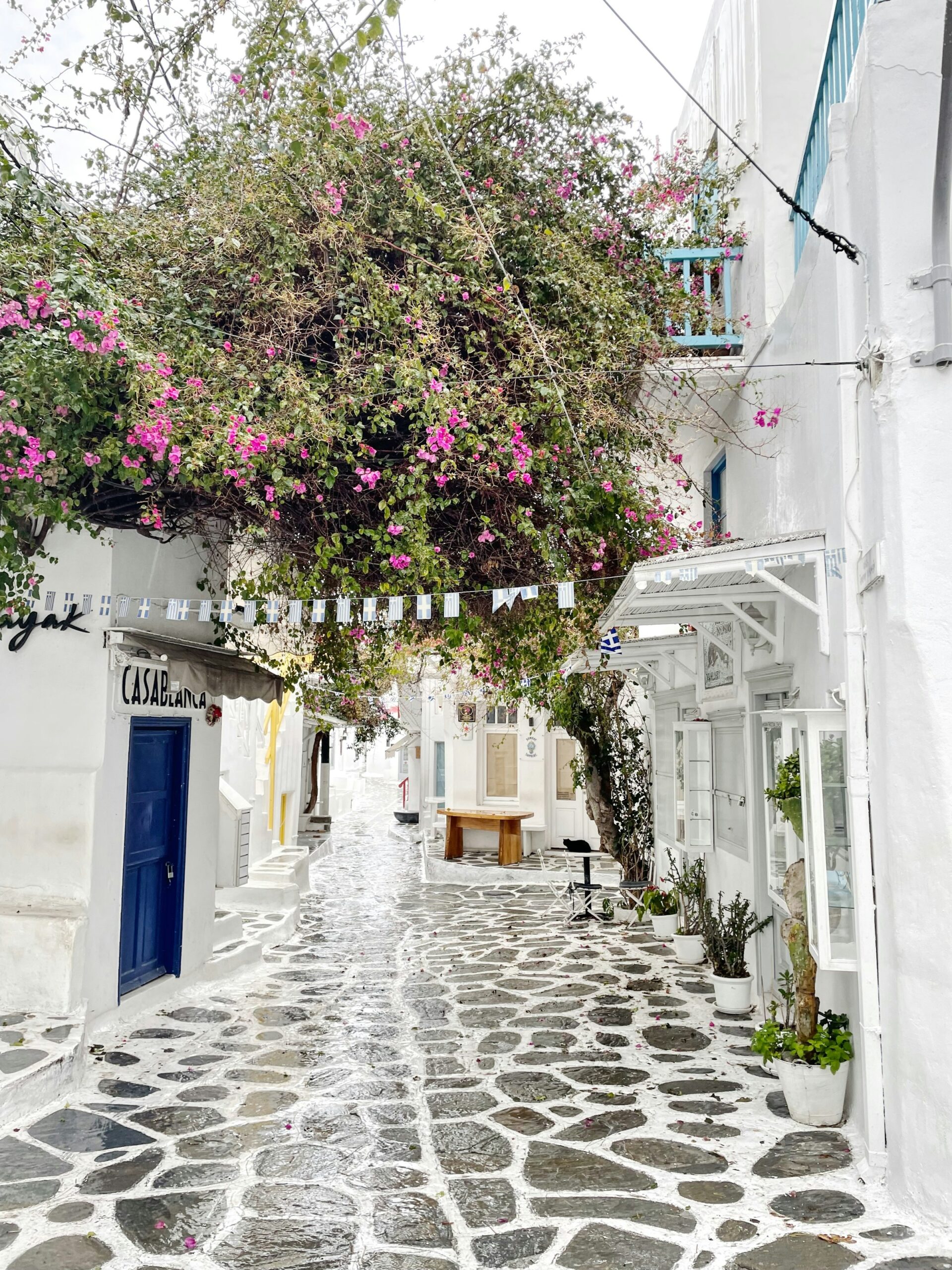
Mykonos suits travelers prioritizing beach clubs, nightlife, and a see-and-be-seen social scene. Its whitewashed old town is genuinely charming by day, before the island’s energy shifts firmly toward its evening reputation.
Naxos: the largest Cycladic island, and the most underrated
Naxos offers real mountain villages, some of the best beaches in the Cyclades, and a far more local, unhurried atmosphere than its more famous neighbors — an excellent choice for travelers who found Santorini’s crowds off-putting.
Paros: a genuine middle ground
Paros balances lively enough evenings with quieter daytime beach and village exploring, and has become a popular alternative for travelers seeking Mykonos-adjacent energy without quite the same price tag or crowds.
Crete: enough to fill an entire trip alone
Crete is large enough — and different enough in character — that it’s worth treating as its own trip rather than squeezing in alongside the Cyclades. Expect archaeological sites, dramatic gorges including Samaria, and a distinct regional food culture.
How ferry logistics actually work
High-speed ferries connect most popular islands in one to three hours, but schedules shift seasonally and reduce significantly outside summer. Book ahead in July and August specifically; shoulder season allows more spontaneity.
Building a realistic multi-island itinerary
Three islands in ten days is a comfortable pace that allows two to three nights each without feeling rushed by transit. Trying to fit in more than four islands in under two weeks usually means spending too much of the trip on ferries.
When to go for the best balance
Late May to mid-June and September offer warm, swimmable weather with meaningfully smaller crowds and lower prices than the July-August peak — widely considered the sweet spot by travelers who’ve done both.
The Greek islands reward a slower, more selective approach far more than an ambitious checklist. Pick two or three islands that actually match your travel style, and you’ll come away with a far better trip than a rushed tour of the greatest hits.
Related Reading
Smaller islands worth seeking out
Folegandros and Milos, both less visited than the Cyclades’ famous names, offer dramatic coastlines and a noticeably slower pace — increasingly popular with travelers who’ve already done Santorini and Mykonos and want something quieter for a return trip.
Island-specific packing considerations
Comfortable sandals that handle cobblestones and boat decks, a light cover-up for visiting churches and monasteries, and a reusable water bottle matter more here than anywhere else in Greece, given how much time you’ll spend walking uneven paths and outdoor markets between beach stops.
Booking accommodation strategically
Caldera-view rooms in Santorini carry a significant premium over rooms just a few streets back with no meaningful loss of access to the same viewpoints on foot — a simple way to redirect budget toward extra nights or a better island elsewhere in your itinerary.
Related Reading
- Greece Travel Guide — the full country overview
- Is Greece Safe to Travel?
- Do You Need a Visa for Greece?
- Best Time to Visit Greece
- 7 Days in Greece: The Complete Itinerary
- Greece Travel Guide (Book)
Planning a trip to Greece? See the full Greece travel guide, or get the complete Greece Travel Guide for offline itineraries and insider tips.

Founder & Editor-in-Chief at Travelcho. Elena has visited 60+ countries and writes about long-term travel and hidden gems.