





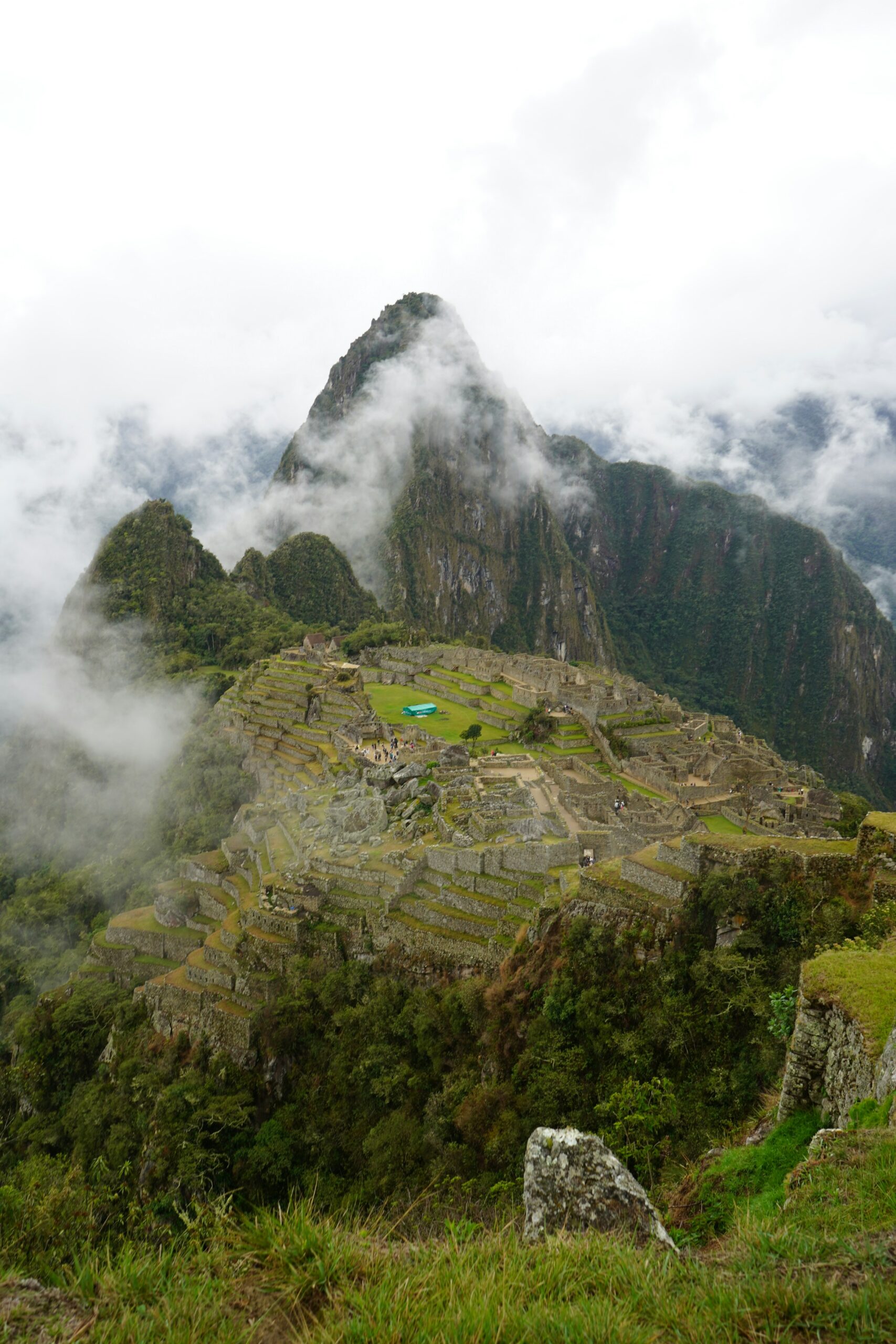
Machu Picchu draws visitors from every kind of travel background, and the logistics of actually getting there — permits, altitude, trek options — deserve real planning. Here’s what matters most before you book.
Understanding the daily visitor cap
Peru limits daily visitors to Machu Picchu, and tickets sell out weeks or months in advance during peak season (June-August). Book your specific entry time slot as early as your travel dates are confirmed, not on arrival in Cusco.
The classic Inca Trail
The four-day Inca Trail is the most iconic route, arriving at Machu Picchu through the Sun Gate at sunrise. Permits are extremely limited and routinely sell out four to six months ahead — this is the trek to book first if it’s your priority.
Alternative treks worth considering
The Salkantay and Lares treks offer comparable scenery and cultural immersion with far more availability and typically lower cost, arriving in Aguas Calientes by bus or train rather than through the Sun Gate directly.
The non-trekking option
A scenic train from Cusco or Ollantaytambo to Aguas Calientes, followed by a short bus ride, makes Machu Picchu fully accessible without any trekking — a genuinely valid choice, not a lesser one, especially for travelers short on time or with mobility considerations.
Altitude preparation is not optional
Cusco sits above 3,400 meters — spend at least two full days acclimatizing there before any trek or strenuous activity. Machu Picchu itself is lower, around 2,430 meters, but the journey there passes through much higher terrain.
Best time of year to visit
The dry season, May through September, offers the most reliable weather, though it’s also peak crowds and pricing. The shoulder months of April and October offer a reasonable balance of decent weather and thinner crowds.
What to pack specifically for this trip
Layers for dramatic temperature swings between valley floor and mountain pass, a reusable water bottle (bring purification tablets or a filter for treks), sun protection despite the altitude and clouds, and a passport — required for entry, not just a ticket.
Extending your trip beyond the ruins
The Sacred Valley towns of Pisac and Ollantaytambo, both with their own significant ruins and markets, are worth two to three days combined either before or after Machu Picchu itself, and help with acclimatization along the way.
However you choose to arrive, Machu Picchu tends to exceed expectations even for travelers who’ve seen countless photos beforehand — the scale and setting are genuinely difficult to appreciate until you’re standing there in person.
Related Reading
Combining Machu Picchu with the wider Sacred Valley
Moray’s agricultural terraces and the Maras salt pans, both accessible on a day trip from Cusco, pair naturally with a Sacred Valley itinerary and are frequently overlooked by travelers focused solely on Machu Picchu itself.
Photography considerations at altitude
Morning light at Machu Picchu, before clouds typically roll in by midmorning, offers the clearest views of the site and surrounding peaks — an early entry slot is worth prioritizing for photography alone, separate from crowd considerations.
What guides add beyond the history
A licensed guide inside the site itself (required for entry as of recent regulation changes) adds context about Incan agricultural and astronomical engineering that’s genuinely difficult to appreciate from a self-guided walk through what otherwise reads as beautiful but silent stone terraces.
Related Reading
- Peru Travel Guide — the full country overview
- Is Peru Safe to Travel?
- Do You Need a Visa for Peru?
- Best Time to Visit Peru
- 7 Days in Peru: The Complete Itinerary
- Peru Travel Guide (Book)
Planning a trip to Peru? See the full Peru travel guide, or get the complete Peru Travel Guide for offline itineraries and insider tips.

Head of Content at Travelcho, specializing in adventure travel, trekking, and outdoor photography.