

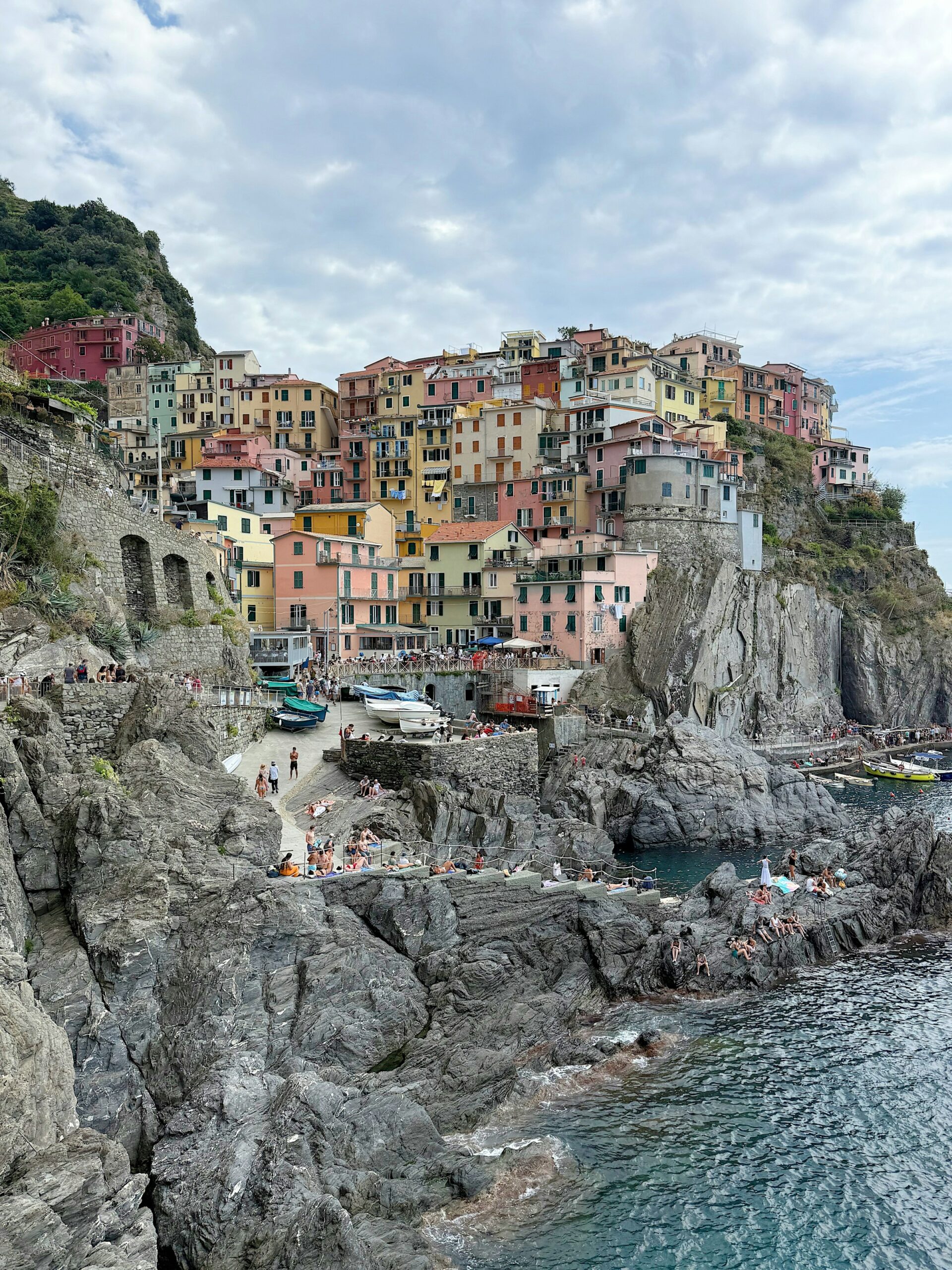
Ask when to visit Italy and most advice jumps straight to “spring or fall.” That’s directionally right, but it skips the one date that actually reorganizes the entire Italian calendar: August 15th, Ferragosto. Plan around that date specifically, and the rest of the seasonal picture falls into place.
Spring (April–early June): the reliable answer, and the crowds that come with it
Late April through early June is peak “why everyone says spring” territory — mild temperatures across Rome, Florence, and the north, gardens and countryside in full bloom, and long enough daylight for a full day of sightseeing without racing the sun. The trade-off is that this is also when everyone else read the same advice: Easter week specifically is one of the most crowded stretches of the entire year at major religious sites, worth avoiding if crowds are a dealbreaker rather than a feature.
Early summer (June): the last calm before the real heat
June is genuinely underrated — warm, mostly dry, long days, and noticeably less packed than July and August. It’s arguably the single best month for a first Rome-Florence-Venice trip specifically: warm enough for evenings outdoors, not yet at the point where midday sightseeing becomes an endurance exercise.
High summer (July–August): heat, crowds, and the Ferragosto shutdown
July and August bring genuinely serious heat to central and southern Italy — Rome and Florence regularly push past 35°C (95°F) in August, with the kind of stone-city heat that has nowhere to hide once the sun’s up. Layered on top of that: August 15th, Ferragosto, is a national holiday marking the height of the Italian summer, and the two to three weeks surrounding it are when a large share of the country effectively closes for its own vacation — family-run restaurants, small shops, and entire neighborhoods in cities go quiet as locals head to the coast, while the coast and islands fill to capacity in the opposite direction.
The one counterintuitive upside: Rome and Milan specifically empty out noticeably right around the 15th, so a quieter — if brutally hot — city visit during that exact window can actually work in your favor if the coast was never the plan anyway. Outside that narrow window, August as a whole is the season with the least favorable heat-to-crowd-to-price ratio of the year.
Early autumn (mid-September–October): the other best window, and arguably the better one
This is the season serious repeat visitors quietly prefer to spring: the summer heat has broken, Ferragosto’s disruption is well behind, the light turns golden for photos, and it’s grape and olive harvest season across Tuscany and Umbria if that’s part of the appeal. Crowds and prices sit below summer peak without spring’s Easter-week spike. If forced to pick one single window for a first trip, mid-September through mid-October is the strongest overall case.
Late autumn and winter (November–March): quiet, cheap, and genuinely underrated in the south
Northern Italy turns cold and grey through winter, and this is a legitimate off-season there. But the picture shifts further south — Rome, Naples, and Sicily stay mild enough for comfortable sightseeing through most of winter, with a fraction of the crowds and noticeably lower accommodation prices. December brings its own appeal in the form of Christmas markets and decorations, particularly in the north, before a genuinely quiet January and February.
The short version
| If you want… | Go in… |
|---|---|
| The best overall balance of weather, crowds, and price | Mid-September–October |
| Warm evenings without peak-summer heat | June |
| Lowest prices, thinnest crowds (south/central Italy) | January–February, excluding Christmas/New Year |
| Christmas markets and festive atmosphere | December, especially northern Italy |
| To avoid: extreme heat, national shutdown, peak prices | Skip the two weeks around August 15th unless a quiet city (not coast) is genuinely the goal |
Whichever window you land on, the rest of the planning picture is in our 7-day itinerary, visa guide, and full Italy Travel Guide.
Frequently asked questions
Should I avoid Italy in August?
Not entirely, but plan around Ferragosto (August 15th) specifically — expect small-business closures in cities and packed, expensive conditions on the coast; a quiet city stay around the 15th itself is the one exception worth considering.
What is the cheapest time to visit Italy?
January and February, outside the Christmas/New Year period, particularly in central and southern Italy where winter stays mild enough for comfortable sightseeing.
Is September a good month for Rome, Florence, and Venice?
Yes — arguably the strongest single-month case of the year, with summer heat broken, Ferragosto disruption over, and crowds and prices below both summer and spring peaks.
Weighing destinations? Compare with Best Time to Visit Japan.
Also see Best Time to Visit Thailand.
Also see Best Time to Visit France.
Also see Best Time to Visit Greece.
Also see Best Time to Visit Peru.
Also see Best Time to Visit Iceland.
Also see Best Time to Visit the USA.
Planning a trip to Italy? See the full Italy travel guide, or get the complete Italy Travel Guide for offline itineraries and insider tips.

Destinations Editor at Travelcho, covering food culture, city guides, and budget travel across Asia and Europe.