



The single most common planning mistake for a first trip to Italy is treating it like one destination instead of twenty. A country the size of Arizona contains Alpine lakes, Renaissance cities, a volcano-side coastline, and a completely different language of food every few hundred kilometers — and the itinerary that tries to string Milan, the Amalfi Coast, and Sicily into one nine-day trip usually ends up seeing all of it from a train window. This guide is built around the opposite instinct: pick a region, do it properly, and let that be the reason you come back.
Quick Facts
- Currency: Euro (€). Cards are widely accepted in cities; smaller trattorias and markets still lean cash.
- Language: Italian, with strong regional dialects. English is common in tourist areas of major cities, much less so in smaller towns.
- Plug type: Type C/F/L, 230V — different from North America; a plug adapter is non-negotiable, and US 120V-only devices also need a voltage converter.
- Visa: Italy is part of the Schengen Area — most Western passport holders enter visa-free for up to 90 days within any 180-day period. Full rules, including the ETIAS system launching in 2026: Schengen Visa Guide, plus Italy-specific notes in our visa guide.
- Best general-purpose time to visit: late April–early June or mid-September–October. Full reasoning, including why August is a trap for first-timers: Best Time to Visit Italy.
- Safety: very low violent crime; pickpocketing is the real, specific risk. Details: Is Italy Safe to Travel?
Pick a region, not a checklist
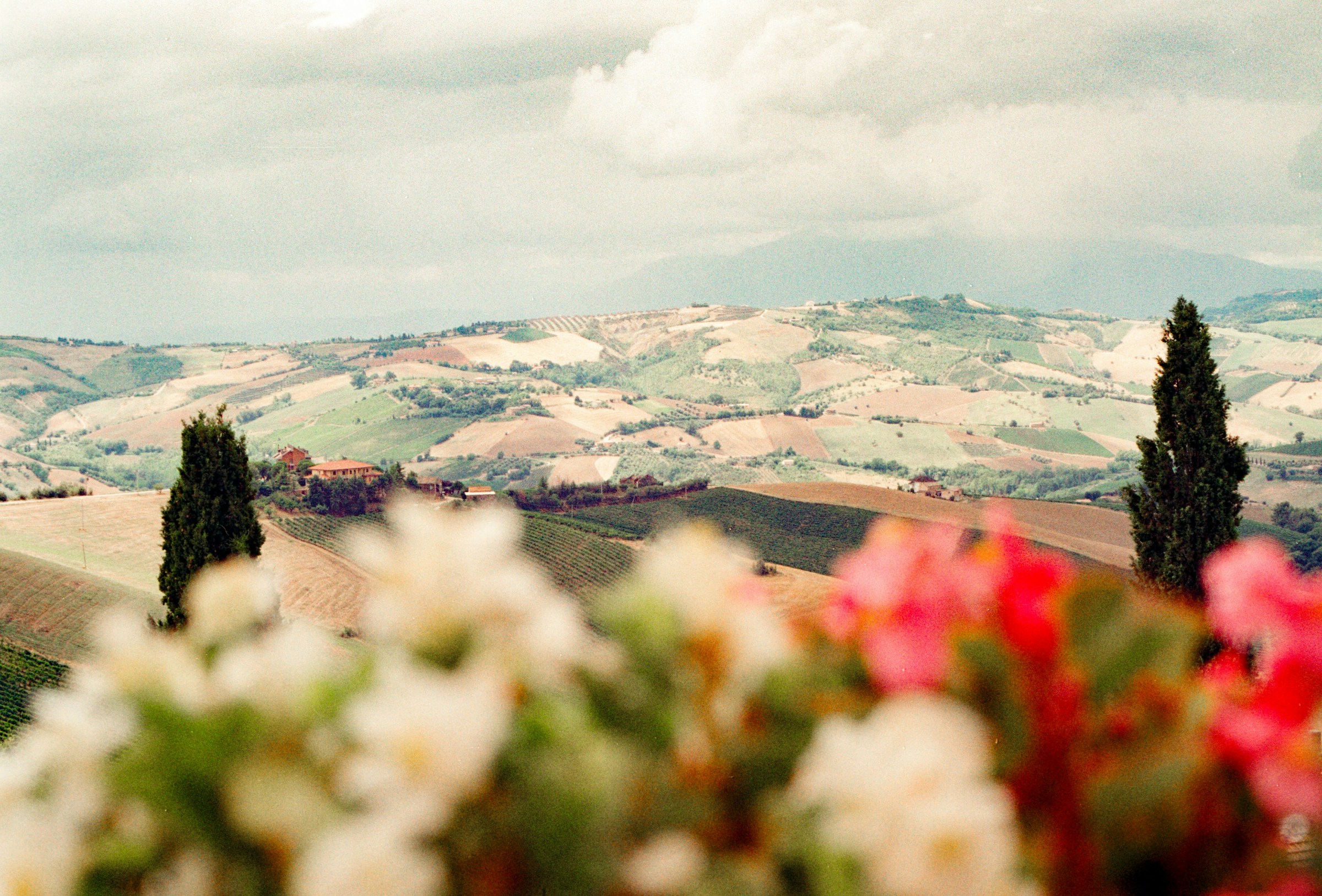
Rome, Florence, and Venice — the classic first-timer triangle — absolutely deliver, and our 7-day itinerary is built around exactly that route. But it’s worth knowing what you’re trading off: that route is culture and cities, not coastline or countryside. The Amalfi Coast, Tuscany’s countryside, Sicily, and the Dolomites are each their own multi-day trip, not an add-on to a Rome-Florence-Venice week. If you only have one trip in you for a while, decide up front whether you want cities or landscape — trying to get both in under two weeks is how people end up exhausted rather than delighted.
Getting around
Italy’s high-speed rail network is genuinely excellent and does most of the heavy lifting between major cities — Rome to Florence runs about 1 hour 25 minutes, Florence to Venice about 2 hours, on trains that reach 300 km/h. Two operators run the same routes competitively (Trenitalia’s Frecciarossa and the privately-run Italo), so it’s worth comparing both rather than defaulting to the first result — prices genuinely vary by time of day and how far ahead you book. Where trains don’t reach — small hill towns, the Amalfi Coast’s cliffside roads, rural Tuscany — a rental car or a private driver becomes the more practical option, and Italian city driving (and parking) is enough of its own skill that renting only once you’re out of the cities is usually the better call.
The month that changes everything: August
This deserves its own section because it catches so many first-time visitors off guard. August 15th, Ferragosto, is a national holiday, and the two to three weeks around it are when much of Italy effectively goes on vacation from itself — family-run restaurants and shops in cities shutter for weeks, while the coast and islands fill to capacity with Italians doing the same thing tourists are. The counterintuitive upside: Rome and Milan genuinely empty out around the 15th itself, so if a quieter, if very hot, city visit is the goal, that specific week can work in your favor. Full seasonal breakdown, month by month: Best Time to Visit Italy.
What it costs
A realistic mid-range daily budget — private accommodation, a mix of casual and sit-down meals, regional trains, and typical sightseeing — lands somewhere around €100–150 per person per day, before international flights, and before the Rome-Florence-Venice train legs themselves (each around €15–30 if booked with reasonable lead time). It’s genuinely possible to do it for less by leaning on aperitivo-hour food, regional rather than high-speed trains, and agriturismo or B&B stays over hotels — and just as easy to spend considerably more once a Michelin-adjacent dinner or a Cinque Terre boat tour enters the plan, worth budgeting separately rather than folding into a daily average.
Food, region by region
“Italian food” undersells what’s actually a different cuisine every few hours by train. Rome runs on cacio e pepe, carbonara, and supplì; Florence and Tuscany lean into bistecca alla fiorentina and hearty bean dishes; Venice’s cuisine is seafood-driven and quietly distinct from the rest of the mainland; further south, Naples is where pizza is a birthright, not a menu item. Ordering the “wrong” regional dish isn’t a mistake exactly, but asking a Roman waiter for a Bolognese is a reliable way to get a knowing look — regional pride around food is real and part of the experience, not a technicality.
Where the rest of this coverage picks up
- Is Italy Safe to Travel? — the real risk (pickpocketing) versus the imagined one
- Do You Need a Visa for Italy? — Schengen rules applied specifically to an Italy trip
- Best Time to Visit Italy — month-by-month, including why August needs its own plan
- 7 Days in Italy: The Complete Itinerary — the Rome–Florence–Venice route done properly, with real train times and prices
And for the depth a handful of free articles can’t cover — the full regional breakdown, a proper Rome-Florence-Venice day-by-day plan, and the etiquette details that make the difference between feeling like a tourist and feeling like you know the place — that’s what our Italy Travel Guide is built for.
Planning a trip to Italy? See the full Italy travel guide, or get the complete Italy Travel Guide for offline itineraries and insider tips.

Destinations Editor at Travelcho, covering food culture, city guides, and budget travel across Asia and Europe.