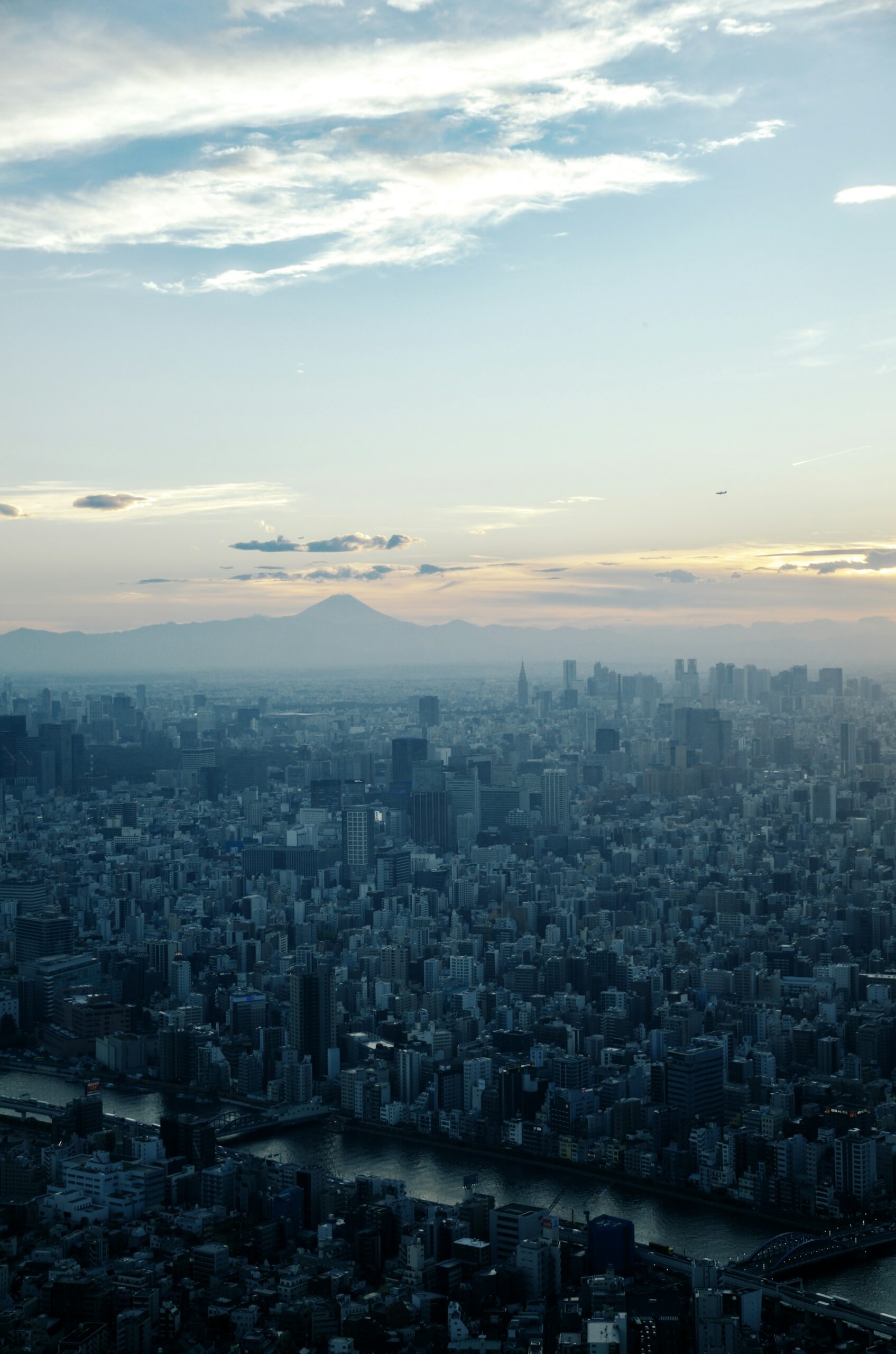
Tokyo overwhelms first-time visitors before it delights them — the scale, the trains, the sheer density of things to do can feel paralyzing from a hotel room on night one. The trick is treating Tokyo not as a single city to see, but as a collection of distinct neighborhoods, each with its own character.
Shibuya and Harajuku: youth culture and energy
Shibuya Crossing is the postcard image of Tokyo for good reason — join the crowd crossing at least once. Harajuku, just north, swings between Takeshita Street’s maximalist youth fashion and the quiet, forested calm of Meiji Shrine a few blocks away.
Shinjuku: Tokyo’s beating neon heart
Shinjuku is worth experiencing after dark, when the Golden Gai’s tiny alleyway bars and the neon of Kabukicho come alive. By day, the free observation deck at the Metropolitan Government Building offers Tokyo’s best skyline view without a ticket.
Asakusa: old Tokyo
Senso-ji Temple and the traditional shopping street leading to it, Nakamise-dori, offer the closest thing central Tokyo has to a historic district. Go early to beat both crowds and heat, and stay for a river cruise along the Sumida.
Getting around without losing your mind
Buy a rechargeable IC card (Suica or Pasmo) on arrival and use it for trains, buses, and even convenience store purchases. Google Maps handles Tokyo’s train system remarkably well — trust it over trying to memorize the network yourself.
Eating without a reservation
Ichiran and other conveyor-belt or ticket-machine ramen shops require no reservation and no Japanese — order from a machine, take a seat, done. For something more special, department store basement food halls (depachika) offer astonishing quality for takeaway prices.
A realistic 4-day structure
Day one: Shibuya and Harajuku. Day two: Asakusa and a river cruise to Odaiba. Day three: Shinjuku by day and night, plus the government building viewpoint. Day four: a day trip to Kamakura or Nikko for a change of pace before flying out.
Money-saving tips specific to Tokyo
Convenience store meals (konbini) are genuinely good, not just a budget compromise — onigiri, bento boxes, and fried chicken from 7-Eleven or Lawson are a legitimate part of Tokyo’s food culture, not just a backup plan.
What surprises most first-time visitors
Tokyo is quieter and more orderly than its reputation for chaos suggests — trains run silently, queuing is universal, and public spaces are remarkably clean. The sensory overload comes from scale and neon, not noise or disorder.
Four or five days is enough to get a genuine feel for Tokyo without exhausting yourself trying to see everything — and it’s a city that consistently draws people back for a second, deeper visit once the initial overwhelm has worn off.
Related Reading
- Japan Travel Guide — the full country overview
- Is It Safe to Travel to Japan?
- Do You Need a Visa to Travel to Japan?
- Best Time to Visit Japan
- 7 Days in Japan: The Complete Itinerary
- Japan Travel Guide (Book)
Day trips worth the extra effort
Kamakura, an hour south by train, offers a completely different pace — a giant bronze Buddha, bamboo groves, and coastal temples that feel worlds away from central Tokyo despite the short journey. Nikko, roughly two hours north, rewards visitors with elaborate shrine complexes set in mountain forest.
Understanding Tokyo’s train etiquette
Phone calls are avoided on trains, priority seating near doors is respected even when empty, and queuing to board happens in an orderly line marked on the platform. None of this is enforced formally — it’s simply followed, and visitors who follow along blend in far more easily.
A note on cash versus cards
Tokyo has become increasingly card-friendly, but smaller restaurants, temples, and some shops remain cash-only. Keep a reasonable amount of yen on hand at all times, withdrawn from 7-Eleven ATMs, which reliably accept foreign cards even when bank ATMs sometimes don’t.
Planning a trip to Japan? See the full Japan travel guide, or get the complete Japan Travel Guide for offline itineraries and insider tips.

Head of Content at Travelcho, specializing in adventure travel, trekking, and outdoor photography.