Morocco’s real seasonal challenge isn’t finding a comfortable month — it’s finding one comfortable everywhere at once. The cities, the Sahara, and the coast don’t share a calendar the rest of the year, which makes the shoulder seasons less of a nice-to-have and more of a genuine planning requirement if your trip covers more than one region.
The sweet spot: April and October
Both months deliver warm, dry, comfortable conditions — roughly 20–25°C — across cities, desert, mountains, and coast simultaneously, which is genuinely rare for a country with this much geographic range. If a Morocco trip is going to combine Marrakech with a Sahara detour, as most first trips do, these two months are the strongest single answer in the calendar.
Spring and autumn more broadly (March–May, September–November)
Outside the April/October peak, the broader spring and autumn windows still deliver comfortable temperatures across most of the country, with slightly more variation than the two standout months but meaningfully better conditions than summer almost everywhere except the far south.
Summer (June–August): fine on the coast, genuinely hard inland
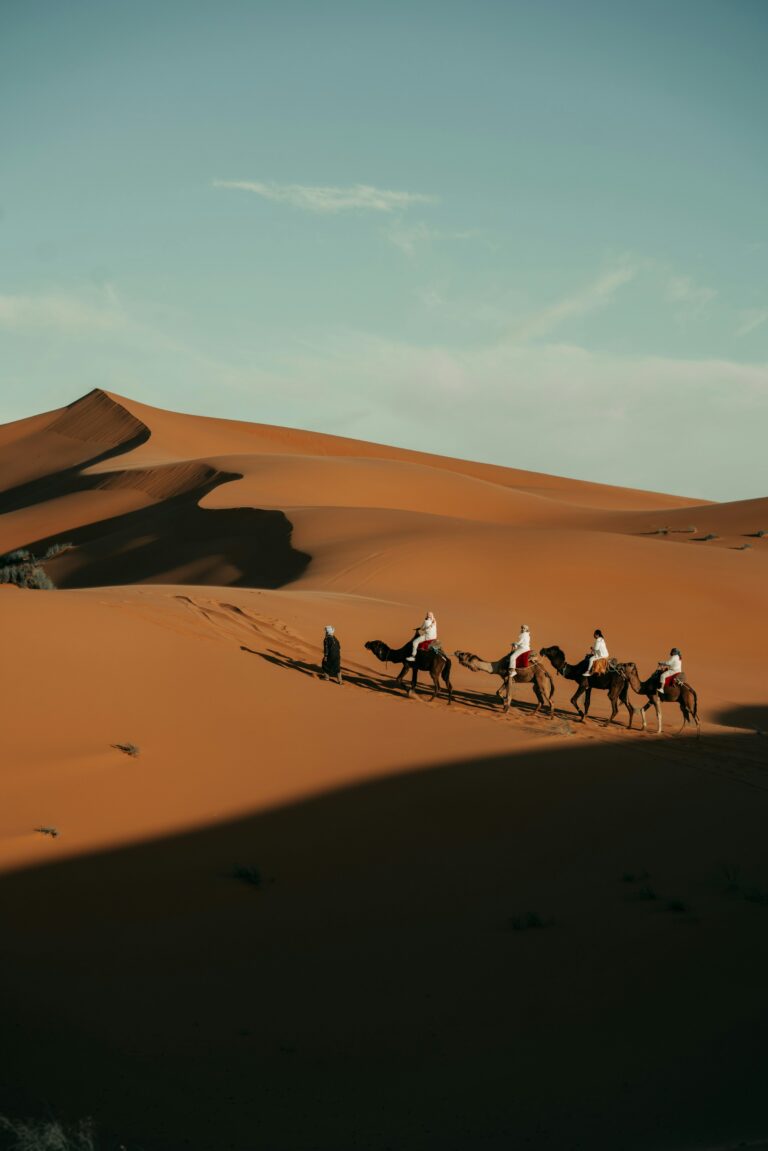
This is where Morocco’s regional split matters most. Marrakech, Fes, and especially the Sahara regularly exceed 40°C in summer — Merzouga sees daytime highs of 41–43°C from June through August, with nights staying uncomfortably warm even after dark. A Sahara trip in this window isn’t just uncomfortable, it’s a genuinely different, more demanding experience than the same trip in October. The Atlantic coast, particularly Essaouira, is the summer answer instead — noticeably cooler and breezier than inland cities, and worth treating as the deliberate summer alternative rather than a consolation prize.
Winter (December–February): mild coast and cities, cold nights in the mountains and desert
Coastal and lowland cities stay mild through winter, genuinely pleasant for city-focused sightseeing. The Sahara and Atlas Mountains are a different story after dark — desert nights can drop close to freezing even when the daytime sun feels warm, a real detail worth knowing if an overnight desert camp is part of the plan; pack for a cold night regardless of how warm the afternoon felt.
Ramadan (February 17–March 18, 2026): plan around it, don’t avoid it
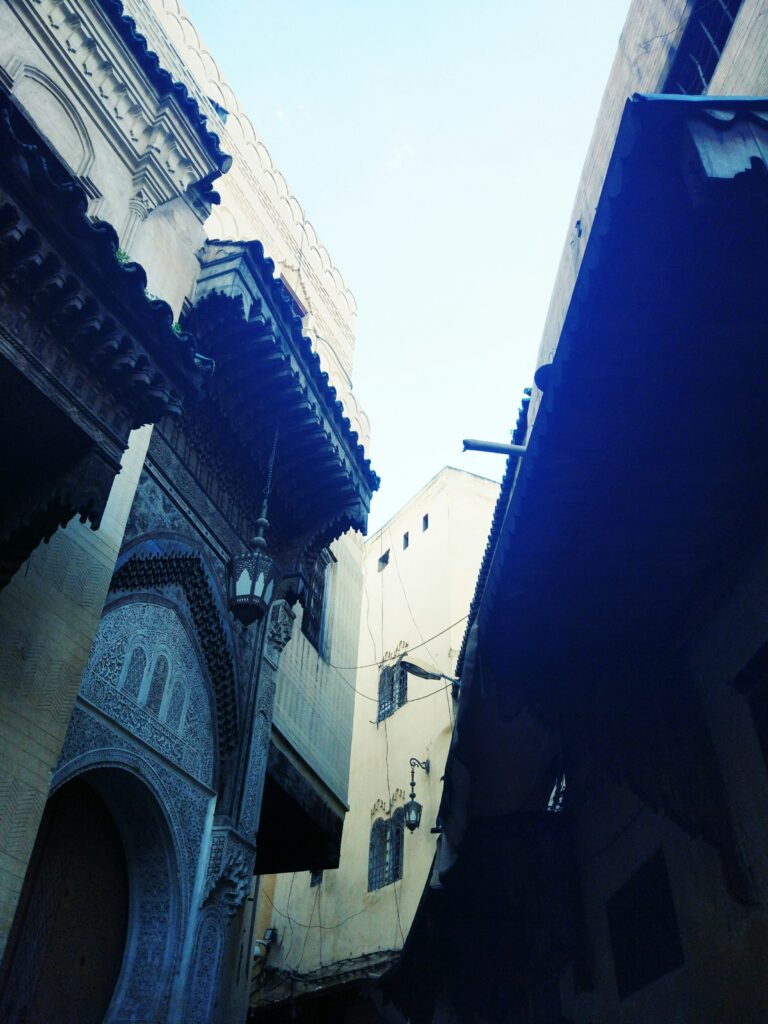
Ramadan doesn’t need to be avoided, but it does change the daily rhythm — daytime street food and casual eating options thin out considerably, the medina feels quieter during daylight hours, and the city comes alive again after sunset for iftar. If your dates fall in this window, tourist-facing restaurants and riads generally serve food normally throughout the day regardless, so it’s not a barrier to a comfortable trip — just a genuinely different one, worth experiencing deliberately rather than being caught off guard by.
The short version
| If you want… | Go in… |
|---|---|
| The best conditions everywhere at once (cities + Sahara) | April or October |
| A city-and-coast trip, avoiding the Sahara | Any season works reasonably, including winter |
| To include the Sahara comfortably | October–April — avoid June–August entirely for desert legs |
| A summer trip regardless | Base it on the Atlantic coast (Essaouira), not inland cities or the desert |
| A cultural, Ramadan-season experience | Feb 17–March 18, 2026 — expect a quieter daytime medina, lively evenings |
Whichever window and region combination you land on, the rest of the planning picture is in our 7-day itinerary, visa guide, and full Morocco Travel Guide.
Frequently asked questions
Is Morocco too hot to visit in summer?
Inland cities and the Sahara, yes — regularly exceeding 40°C. The Atlantic coast (Essaouira) stays comfortable and is the deliberate summer alternative.
When is the best time to visit the Sahara?
October through April, avoiding June–August entirely, when daytime highs in Merzouga regularly reach 41–43°C.
Does Ramadan affect tourists visiting Morocco?
It changes the experience rather than limiting it — tourist restaurants and riads serve food normally, but daytime street food thins out and the medina is quieter until after sunset.
Weighing destinations? Compare with Best Time to Visit Greece and Best Time to Visit Bali.
Planning a trip to Morocco? See the full Morocco travel guide, or get the complete The Ultimate Morocco Travel Experience - Premium Digital Travel Guide for offline itineraries and insider tips.

Destinations Editor at Travelcho, covering food culture, city guides, and budget travel across Asia and Europe.