Last verified: July 2026.
Morocco holds a US State Department Level 1 rating — the same as France or Spain — and that’s not a generous rating; violent crime against tourists is genuinely rare, and you’re statistically safer walking around Marrakech at night than in a number of European capitals. That said, “safe” and “stress-free” aren’t the same thing here, and being honest about the difference is more useful than either overstating the danger or pretending the medina’s tout culture doesn’t exist.
The real day-to-day friction: touts, not danger
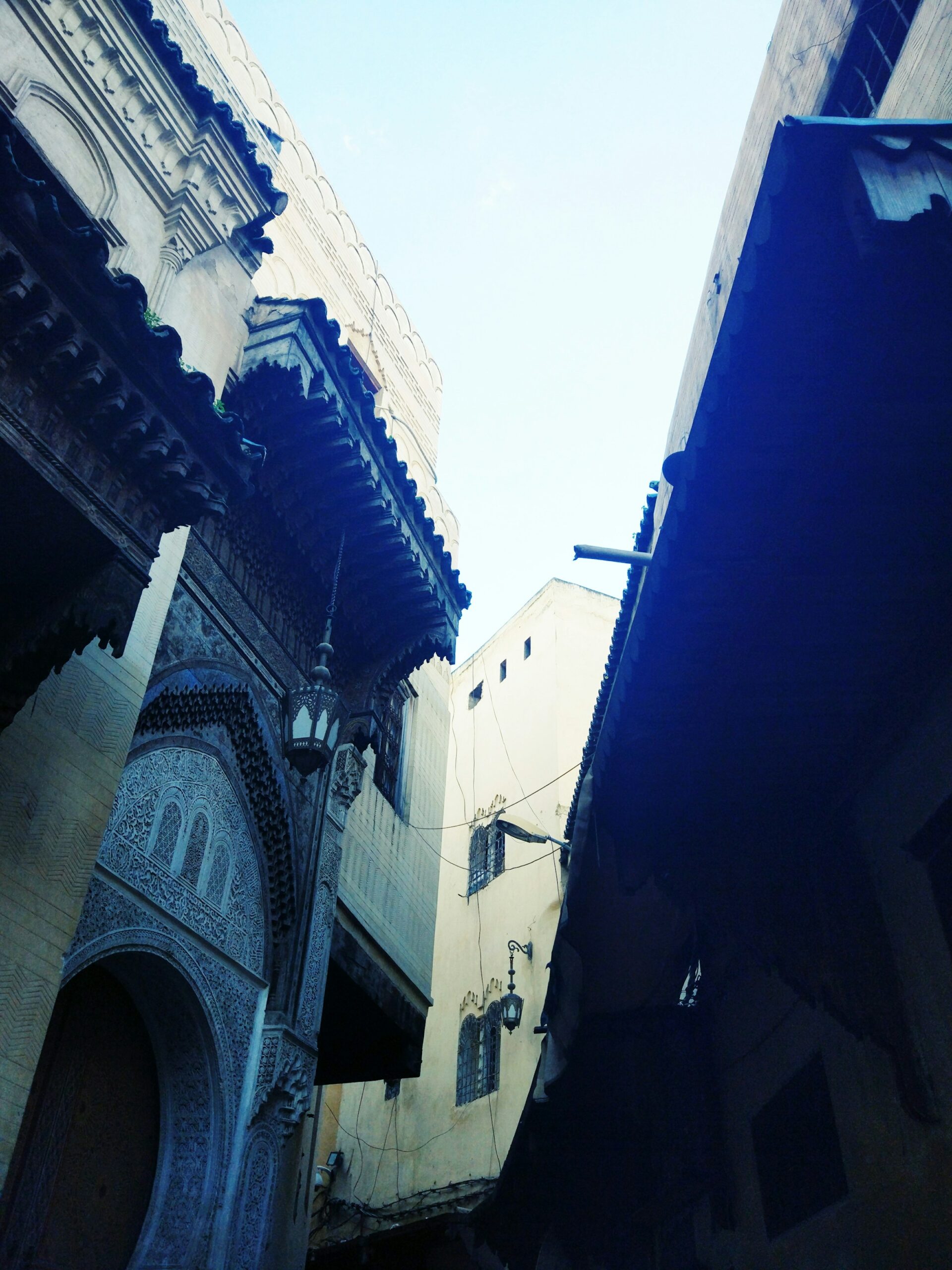
Most of what makes Marrakech tiring for first-time visitors isn’t crime — it’s the sheer persistence of unsolicited “guides,” shop touts, and street vendors, concentrated specifically around Jemaa el-Fna and the medina’s busiest lanes. None of it is dangerous; all of it can be genuinely exhausting if you don’t have a ready response. The single most effective tool: a confident, immediate “la shukran” (“no, thank you”) delivered with eye contact and without breaking stride. Stopping to politely explain you’re not interested tends to invite more conversation, not less — a brief, firm no and continued walking works better than extended courtesy.
The scams worth knowing by name
- The “free” guide. Someone offers to show you around at no cost, then either demands a large tip afterward or steers you toward a shop where they earn commission on anything you buy. Politely declining unsolicited guide offers, and booking any actual guide through a licensed operator or your riad, avoids this entirely.
- Taxi meter refusal. A driver claims the meter is broken and quotes an inflated flat fare. Insist on the meter, or use an app like Careem or inDriver, which sets the price upfront and removes the negotiation.
- The dropped-keys distraction. Someone approaches rattling keys, claiming you dropped them, while an accomplice works your bag or pocket during the distraction. Politely disengaging without stopping to investigate avoids the setup entirely.
A real, visible safety net: the Brigade Touristique
This is worth knowing specifically because it’s a genuinely reassuring, tangible resource most visitors don’t expect: Morocco maintains dedicated tourist police, the Brigade Touristique, recognizable by distinctive uniforms and stationed throughout the medina, Jemaa el-Fna, and other major tourist areas. They speak English and French and exist specifically to assist visitors — worth knowing they’re there rather than assuming you’re on your own if an interaction with a tout or driver turns genuinely uncomfortable.
What women travelers specifically encounter
Verbal hassle — comments, persistent attention — is a real, commonly reported experience for women traveling in Morocco’s more tourist-dense areas, more so than in most other destinations in this guide. It’s rarely physically threatening, but it’s genuinely more frequent than many first-time visitors expect, and dressing modestly (covering shoulders and knees, particularly outside beach resort areas) generally reduces, though doesn’t eliminate, this kind of attention.
Practical habits worth having anyway
- Have “la shukran” ready and use it immediately, without stopping, for unsolicited approaches.
- Use Careem or inDriver for taxis rather than negotiating with unlicensed drivers on the street.
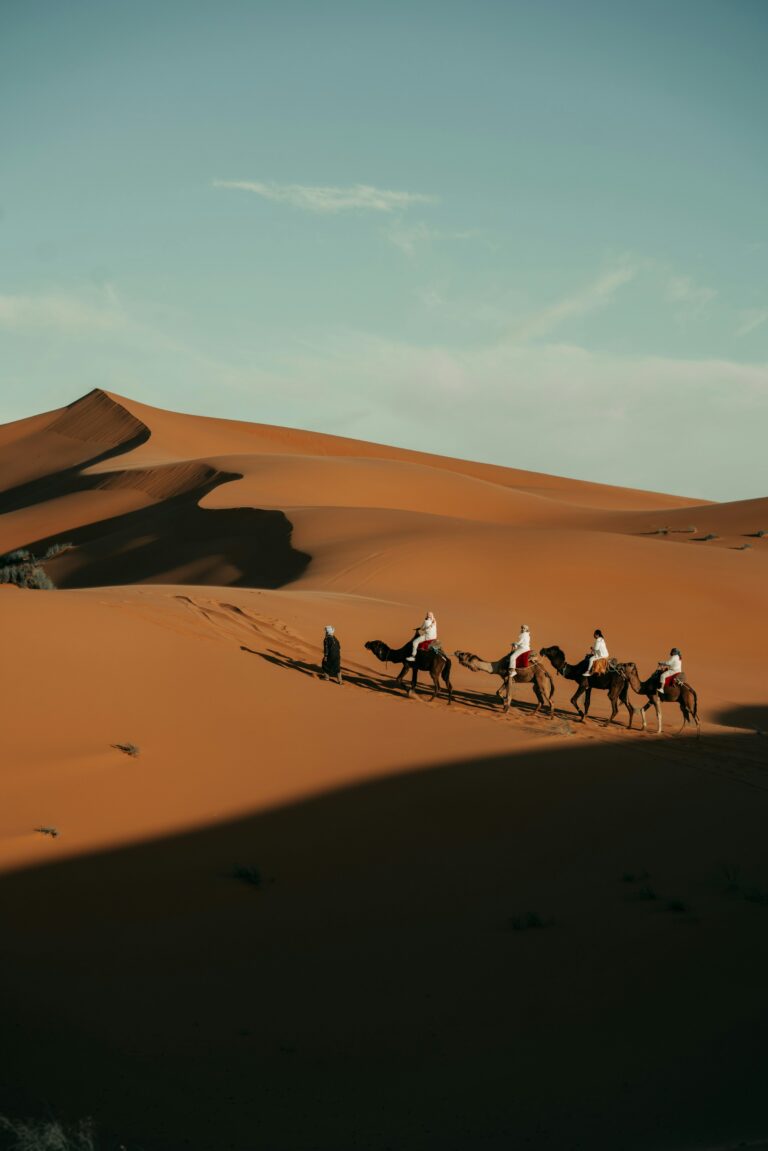
- Book Sahara trips and guides through licensed, reputable operators — your riad can typically arrange this reliably.
The bottom line
Morocco’s actual danger level is low — genuinely comparable to Western Europe. What takes real preparation is the social experience of Marrakech’s medina specifically: persistent touts that are tiring, not dangerous, and manageable with a firm, practiced “no” rather than extended politeness.
For the rest of the planning picture, see our visa guide, when to go, and full Morocco Travel Guide. Also see Is It Safe to Travel to Thailand? and Is Bali Safe to Travel?.
Frequently asked questions
Is Marrakech safe for tourists?
Yes, in the sense of actual danger — rated Level 1, the same as France or Spain. The real challenge is persistent touts in the medina, which is tiring rather than dangerous.
Is Morocco safe for solo female travelers?
Generally yes, though verbal hassle is more commonly reported here than in many other destinations in this guide — modest dress in tourist-dense areas helps reduce, though doesn’t eliminate, this kind of attention.
What’s the best response to touts in Marrakech?
A confident, immediate “la shukran” (no thank you) with eye contact, delivered without stopping — engaging further or over-explaining tends to invite more persistence, not less.
Comparing destinations? See Is France Safe to Travel? and Is Greece Safe to Travel?.
Planning a trip to Morocco? See the full Morocco travel guide, or get the complete The Ultimate Morocco Travel Experience - Premium Digital Travel Guide for offline itineraries and insider tips.

Destinations Editor at Travelcho, covering food culture, city guides, and budget travel across Asia and Europe.