


Last verified: July 2026.
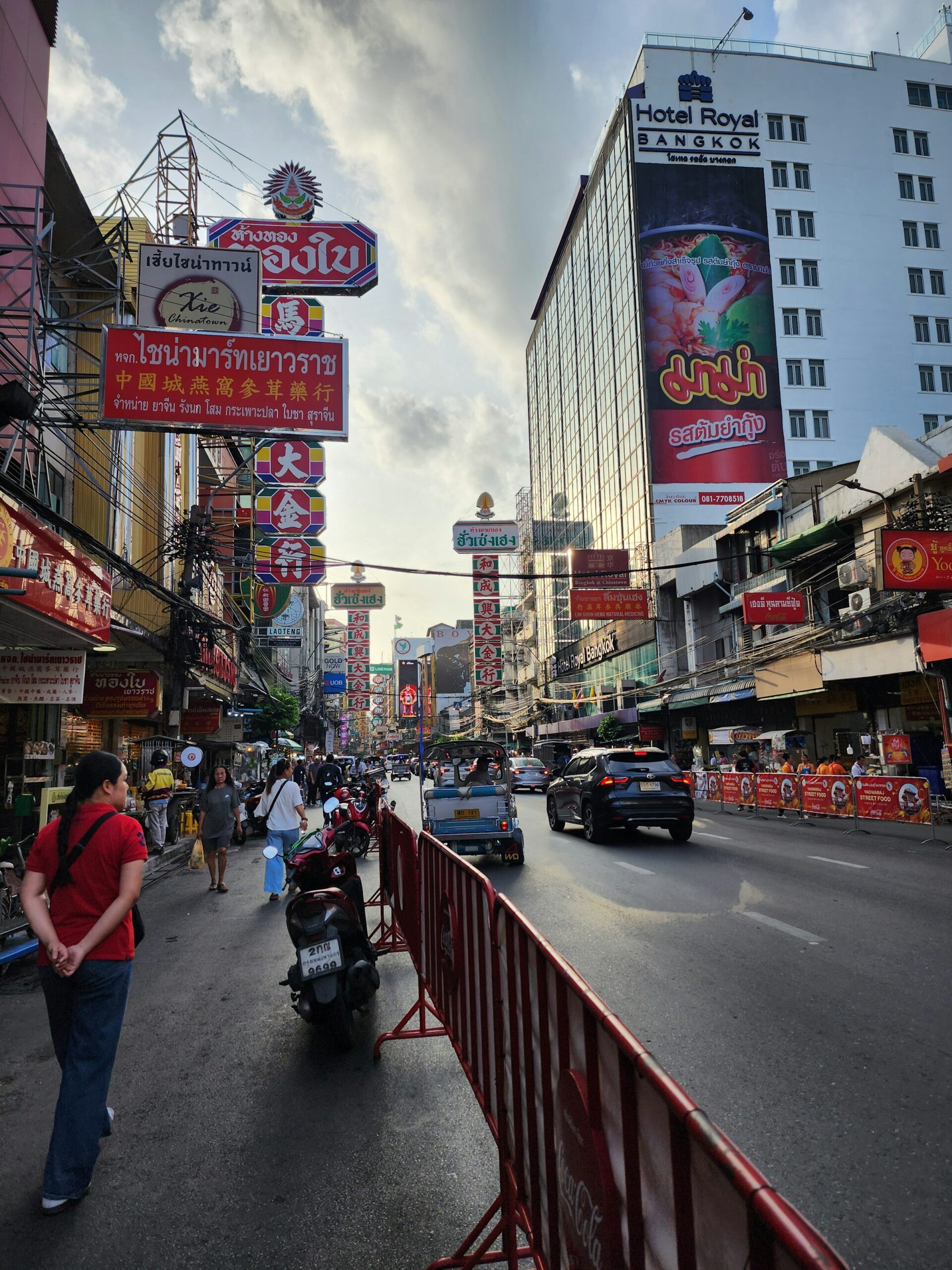
Thailand’s official safety rating from the US State Department is Level 1 — Exercise Normal Precautions — the same tier as Japan and France. Violent crime against tourists is genuinely rare. What you actually need to prepare for in Thailand isn’t danger, it’s a well-developed tourist-scam economy that’s been refined for decades, and knowing the specific plays in advance neutralizes almost all of it.
The scams worth knowing by name
- “The Grand Palace is closed today.” A friendly, well-dressed local near the palace gate tells you it’s closed for a holiday or cleaning, then offers to take you somewhere better by tuk-tuk — which is, unsurprisingly, a gem or tailor shop that pays the driver a commission for every tourist delivered. The palace is essentially never actually closed for these reasons. The response is simple: politely ignore anyone volunteering this information near a major sight and walk to the gate to check yourself.
- The gem and tailor detour. An extremely cheap or “free” tuk-tuk tour that always includes an unscheduled stop at a jewelry or suit shop, with real social pressure to buy something overpriced once you’re inside. If a tour’s price seems too good to be true, this is usually why.
- The inflated nightlife bill. Mostly in Bangkok’s Patpong and similar entertainment districts — a bar that seems normal on entry produces a wildly inflated bill at the end, sometimes with someone blocking the door until it’s paid. Agree on prices before ordering anything in an unfamiliar bar, and treat unusually cheap drink promotions in these specific areas with suspicion.
- Taxi meter refusal. A driver claims the meter’s broken and quotes a flat fare well above the metered price. Ask for the meter before getting in, or default to Grab (the regional ride-hailing app), which sets the price upfront and removes the negotiation entirely.
Where a bit more alertness is warranted
Khao San Road and Bangkok’s Sukhumvit nightlife strip see more bag-snatching and occasional drink-spiking after 11pm than the city generally — the same sensible nightlife habits that apply anywhere (watch your drink, keep your bag in front of you, know how you’re getting back) matter more specifically here than in Bangkok’s quieter neighborhoods during the day.
The one region actually worth avoiding
This is worth stating plainly rather than glossing over: Thailand’s three southernmost provinces bordering Malaysia — Yala, Pattani, and Narathiwat — carry a genuine Level 4 “Do Not Travel” advisory due to a long-running separatist conflict. This is real, and it’s also a part of the country essentially no tourist itinerary passes through — it’s not near Bangkok, Phuket, Krabi, Koh Samui, or Chiang Mai, and nothing about a standard Thailand trip brings you anywhere close to it. It’s included here for completeness, not because it should change how you think about the destinations covered in this guide.
Practical habits worth having anyway
- Use Grab for taxis rather than negotiating on the street — it removes almost the entire category of taxi-related scams.
- Keep a photo of your passport and visa/entry stamp on your phone.
- Be cautious with unlicensed motorbike or jet-ski rentals — damage disputes with inflated “repair” charges are a known issue in a few tourist areas; photograph the vehicle thoroughly before and after, and use a reputable operator.
The bottom line
If personal danger is what’s giving you pause about Thailand, the data doesn’t really support that worry — it’s rated as safe as Japan. The actual skill worth having is scam literacy: know the four plays above, and you’ve handled almost everything Thailand’s tourist-scam economy has to offer.
For the rest of the planning picture, see our visa guide, when to go, and full Thailand Travel Guide. Comparing destinations? See how this stacks up against Is It Safe to Travel to Japan? and Is Italy Safe to Travel?.
Frequently asked questions
Is Bangkok safe for tourists?
Yes — rated Level 1 by the US State Department, the same as Tokyo or Rome. The realistic risk is scams and petty theft in crowded tourist areas, not violent crime.
What is the most common scam in Thailand?
The “Grand Palace is closed” redirect into a gem or tailor shop is one of the most persistent and widely reported; taxi meter refusal and nightlife bill inflation are close behind.
Is southern Thailand safe to visit?
Phuket, Krabi, and the Gulf islands — the tourist south — are unaffected. The Level 4 advisory applies specifically to three provinces on the Malaysian border (Yala, Pattani, Narathiwat), which sit outside any standard tourist route.
Comparing destinations? See Is It Safe to Travel to Japan? and Is Italy Safe to Travel?.
Also see Is France Safe to Travel?.
Also see Is Greece Safe to Travel?.
Also see Is Peru Safe to Travel?.
Also see Is Iceland Safe to Travel?.
Also see Is the USA Safe to Travel?.
Also see Is Bali Safe to Travel?.
Planning a trip to Thailand? See the full Thailand travel guide, or get the complete Thailand Travel Guide for offline itineraries and insider tips.

Destinations Editor at Travelcho, covering food culture, city guides, and budget travel across Asia and Europe.