For most first-time visitors, “a trip to France” quietly means “a trip to Paris” — and there’s no shame in that; Paris earns the attention it gets. But it’s worth naming the assumption up front, because the two questions worth answering before you book are different depending on which trip you’re actually planning: is this a Paris trip, or a France trip that happens to start there? This guide covers both, starting with the city almost everyone means when they say the country’s name.
Quick Facts
- Currency: Euro (€). Cards are near-universal in Paris and other cities; small cafés and markets sometimes prefer cash for small amounts.
- Language: French. English is common in central Paris tourist areas and hospitality, less reliable elsewhere — a handful of basic French phrases go a genuinely long way with service.
- Plug type: Type C/E, 230V — bring an adapter; North American 120V-only devices need a voltage converter too.
- Visa: France is part of the Schengen Area — most Western passport holders enter visa-free for up to 90 days within any 180-day period. Full mechanics: Schengen Visa Guide; France-specific notes: our visa guide.
- Best general-purpose time to visit: May or September. Full breakdown, including the cheapest weeks of the year: Best Time to Visit France.
- Safety: very low violent crime; organized pickpocketing on specific Metro lines is the real, specific risk. Details: Is France Safe to Travel?
If this is a Paris trip
Three to four days covers Paris’s essentials without a checklist sprint: the Louvre and the Tuileries, the Eiffel Tower and Trocadéro for the view of it, Notre-Dame’s exterior and the Latin Quarter, and Montmartre for a slower, higher-elevation afternoon. Our existing 3 Days in Paris itinerary covers this route in full day-by-day detail, and if photography is part of why you’re going, our new Best Photo Spots in Paris guide covers exactly where and when to be for the light.
If this is a France trip that starts in Paris
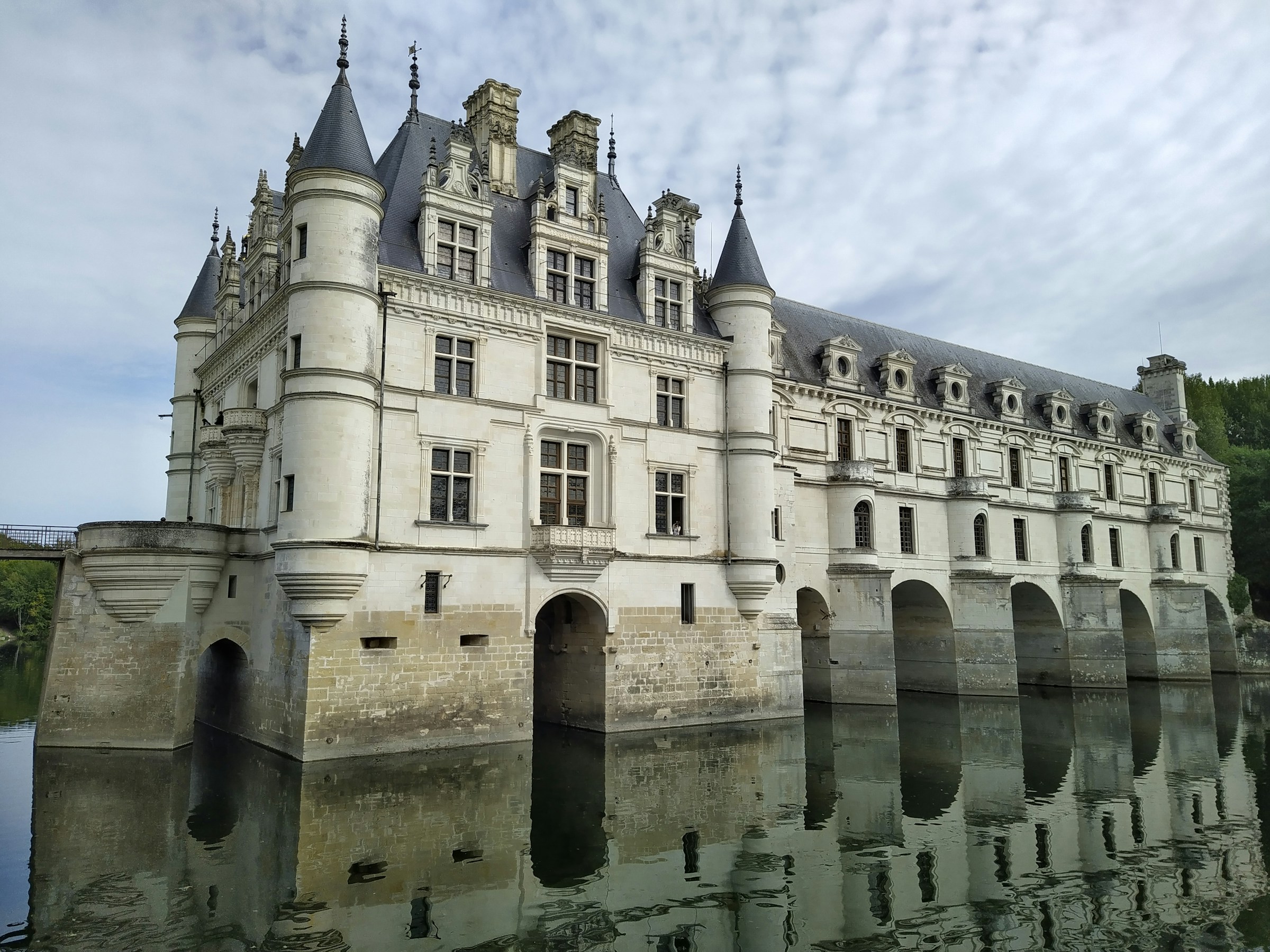
France well beyond Paris is where the country’s actual range shows up — the Loire Valley’s châteaux within a day trip of the city, Provence’s lavender fields and hill towns, the French Riviera’s coastline around Nice and Cannes, Normandy’s D-Day beaches and cliffs, and Bordeaux’s wine country. None of these are a rushed add-on to a Paris trip; each is genuinely worth 2–4 days on its own, which is exactly why deciding early whether this is a Paris trip or a France trip changes how you should build the itinerary, not just how long it is.
Getting around
Within Paris, the Metro is fast, cheap, and covers the whole city — also, per our safety guide, exactly where pickpocketing risk concentrates, so it’s worth being specifically alert on it rather than just generally cautious. Between cities, France’s TGV high-speed rail network is excellent — Paris to Lyon in about 2 hours, to Bordeaux in about 2 hours, to Nice in about 5.5 hours direct — making a rail-based multi-region trip genuinely practical without a rental car.
What it costs
Paris runs firmly mid-to-upper range by European standards: a realistic mid-range daily budget — private accommodation, a mix of casual and sit-down meals, Metro passes, and typical sightseeing — lands around €120–170 per person per day, before international flights. It moves lower leaning on bakery lunches and museum days with free or reduced entry (many national museums are free on the first Sunday of the month), and higher the moment a Michelin-starred dinner or premium hotel enters the plan.
Food
Paris alone covers an enormous range — classic bistros, boulangeries worth planning a morning around, and a genuinely serious fine-dining scene — but the rest of France has its own distinct culinary identities worth knowing exist: Lyon’s bouchons and their hearty, meat-forward menus, Provence’s olive oil and herb-driven Mediterranean cooking, and Normandy’s cream, cheese, and apple-based specialties (calvados and cider both worth trying on their home turf). Treating “French food” as a single Paris-centered category misses most of what the country actually offers.
Where the rest of this coverage picks up
- Is France Safe to Travel? — the real risk (organized pickpocketing) and exactly where it concentrates
- Do You Need a Visa for France? — Schengen rules applied to a France trip specifically
- Best Time to Visit France — season by season, plus the specific weeks locals know are cheapest
- 3 Days in Paris: The Perfect Itinerary — our existing day-by-day Paris route
- Best Photo Spots in Paris — where and when for the light, if photography matters to your trip
And for the depth beyond Paris — the Loire Valley, Provence, the Riviera, and the regional detail this page can only point toward — that’s what our France Travel Guide and dedicated Paris Travel Guide are built for.
Planning a trip to France? See the full France travel guide, or get the complete Paris Travel Guide for offline itineraries and insider tips.

Destinations Editor at Travelcho, covering food culture, city guides, and budget travel across Asia and Europe.