Multi-country trips offer more variety but multiply every planning challenge — visas, transport connections, currencies, packing for different climates. A structured approach prevents the process from becoming overwhelming.
Start with a rough route, not a detailed one
Sketch the countries and general order first, based on geography and logical overland or flight connections, before researching any specific city details. Trying to plan everything simultaneously is the fastest route to decision paralysis.
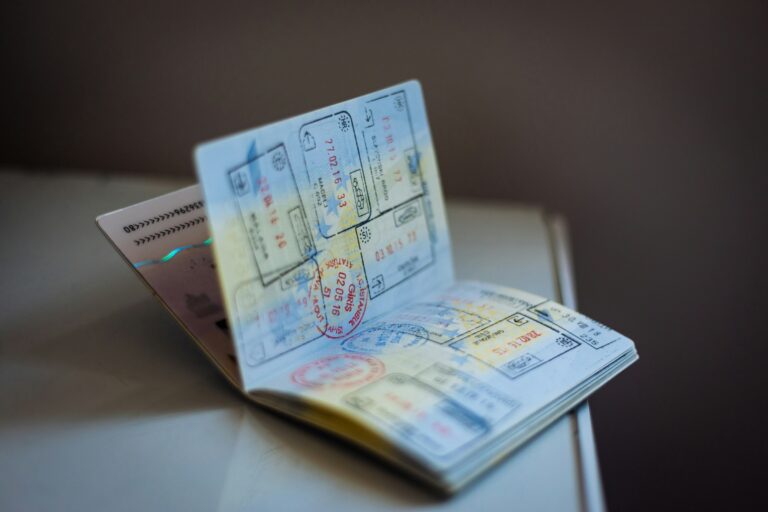
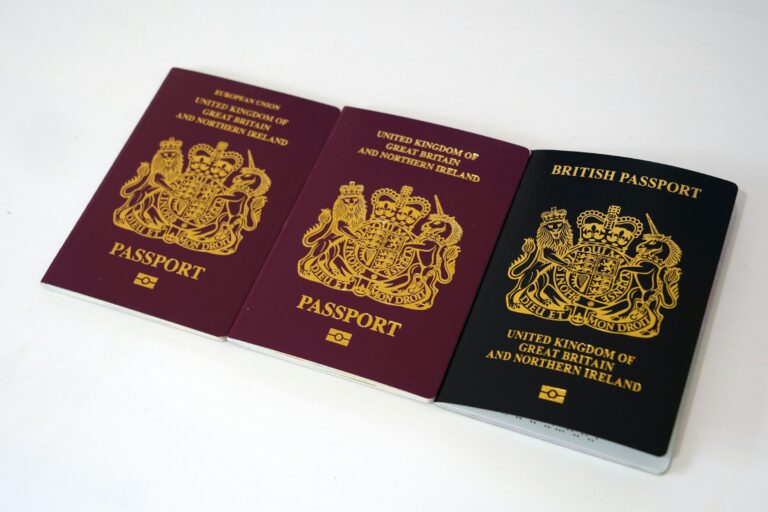
Research visa requirements before booking anything
Confirm every country’s entry requirements for your passport early — a visa that requires weeks of processing time, or one country’s rules that conflict with your planned route, can force a complete itinerary rethink if discovered too late.
Build in buffer days between countries
International border crossings, even smooth ones, eat time and energy. A buffer day between major country changes — rather than scheduling activities the same day you cross a border — keeps the trip from feeling like a constant scramble.
Decide your transport strategy early
Regional flight passes, rail passes, or a mix of budget flights and overland travel all have different booking windows and flexibility tradeoffs. Deciding this early shapes how far ahead you need to lock in dates.
Keep a single trip document, not scattered notes
A shared document or app with confirmation numbers, addresses, and a rough day-by-day plan — accessible offline — prevents the scattered chaos that multi-country trips are especially prone to.
Don’t over-schedule the itinerary itself
Multi-country trips tempt travelers to pack in as much as possible to justify the complexity, but leaving unscheduled time in each stop consistently produces better memories than an itinerary planned down to the hour.
The complexity of multi-country trips is real, but manageable with a system rather than trying to hold every detail in your head. Break it into phases — route, visas, transport, accommodation, daily plans — and tackle them in that order.
Related Reading

Head of Content at Travelcho, specializing in adventure travel, trekking, and outdoor photography.