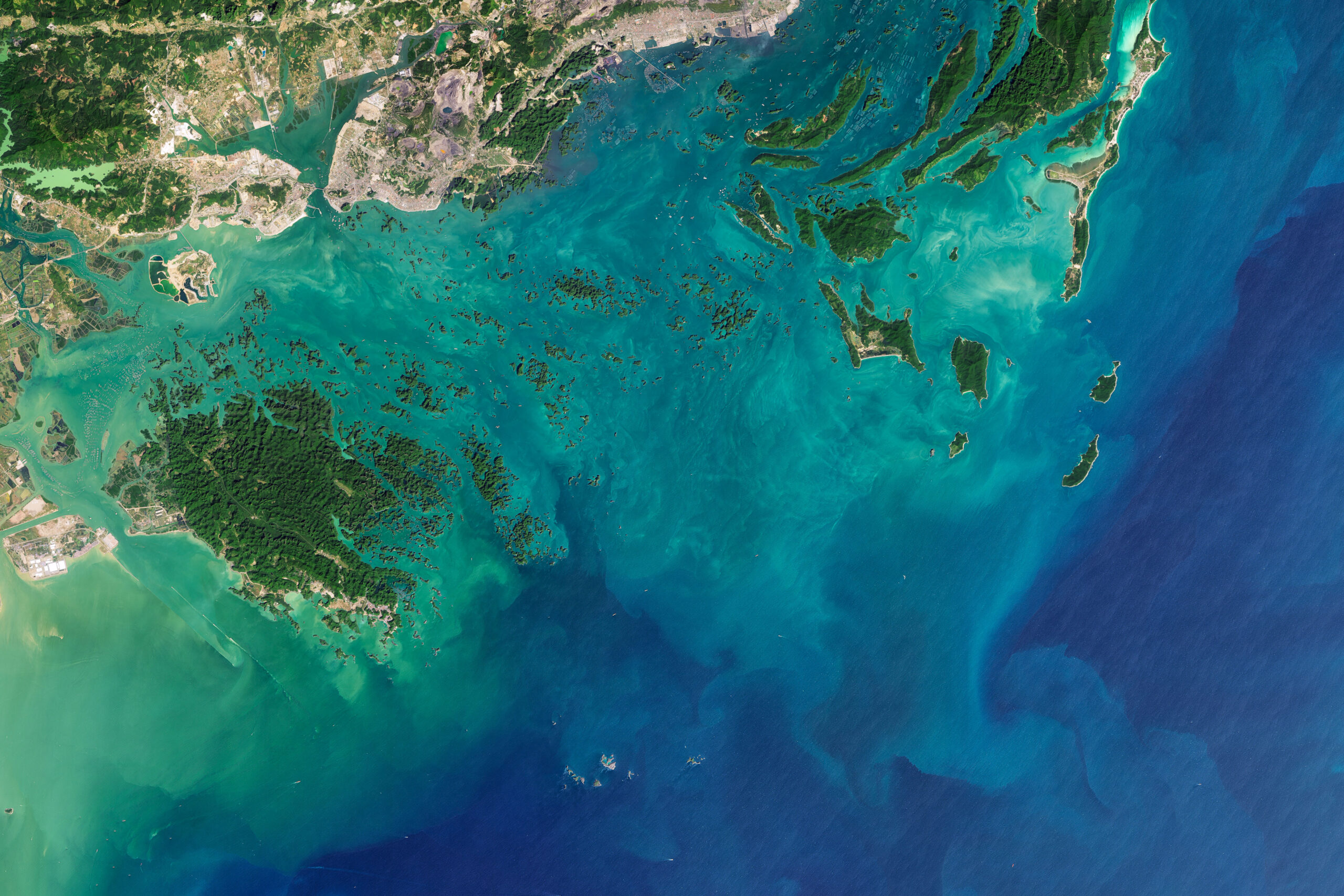
Thailand plays a trick on first-time planners: it looks like one country on a map, but its two coastlines run on opposite weather systems at the same time. While Phuket and the Andaman side are getting rained on, Koh Samui and the Gulf side can be having their best month of the year — and vice versa. Get that backwards and a “perfect Thailand trip” turns into a week of chasing sunshine. Get it right, and the flexibility to choose between two functioning coastlines at almost any time of year becomes one of Thailand’s biggest practical advantages over a single-season destination.
One more thing worth knowing before anything else: Thailand’s tourist visa rules are genuinely in flux right now, more than almost any other major destination. More on that below, but it’s the one fact on this page worth double-checking against an official source close to your travel date rather than trusting any article — including this one — as the final word.
Quick Facts
- Currency: Thai baht (฿). Cards are accepted in cities and malls; markets, street food, and smaller islands are largely cash-based.
- Language: Thai. English is common in tourist areas and hospitality; much less so outside them.
- Plug type: Type A/B/C, 220V — different from North America; bring an adapter and check your devices handle 220V.
- Visa: Currently in transition — Thailand’s government approved a significant cut to visa-free stay lengths in May 2026. Do not assume the old 60-day rule still applies. Full detail: Do You Need a Visa to Travel to Thailand?
- Best general-purpose time to visit: November–February, though it genuinely depends on which coast — see below.
- Safety: rated on par with Japan and France by the US State Department; the real risk is scams, not crime. Details: Is It Safe to Travel to Thailand?
Two coasts, opposite seasons
This is the single most useful thing to understand before picking dates. The Andaman Coast — Phuket, Krabi, Phi Phi — is best from mid-November through April. The Gulf Coast — Koh Samui, Koh Phangan, Koh Tao — runs on close to the opposite cycle, with its best window from December through June. Bangkok and the central plains sit somewhat outside both patterns, with November through February as the comfortable stretch before the pre-monsoon heat builds through March and April. If your dates land in a month that’s wrong for one coast, that’s often the signal to pick the other rather than force it — full month-by-month breakdown in Best Time to Visit Thailand.
Getting around: flights, not trains
Unlike Japan or much of Europe, Thailand’s long distances are covered by air, not rail — domestic flights between Bangkok, Chiang Mai, and the islands typically run 700–2,500 baht (roughly $20–65) one-way on budget carriers, and booking a few weeks ahead usually beats a last-minute fare by a wide margin. Within a city or a single island, tuk-tuks, metered taxis, and ride-hailing apps (Grab is the regional standard) cover everything else.
Where to go
- Bangkok — the near-universal starting point: temples, street food, and the base most flights land into. Two to three days is a reasonable minimum.
- Chiang Mai — the north’s cultural and temple hub, and the base for jungle and mountain day trips. Avoid the burning season (roughly February–April) if air quality matters to your trip — it’s a real, specific issue in this region during those months, covered in more depth in our seasonal guide.
- The islands — Phuket and Krabi on the Andaman side, Koh Samui and Koh Phangan on the Gulf side. Pick based on season (above), not just which name is more familiar.
What it costs
Thailand’s budget range is unusually wide depending on travel style: a genuine backpacker can get by around $30–40/day, a comfortable mid-range trip runs closer to $80–120/day, and a full two-week trip covering Bangkok, Chiang Mai, and an island — flights, mid-range hotels, food, and activities included — typically lands somewhere between $1,500 and $2,500 total. Islands run 40–60% more expensive than Bangkok or Chiang Mai for equivalent accommodation, worth factoring in if the plan includes several island days.
Where the rest of this coverage picks up
- Is It Safe to Travel to Thailand? — the honest picture, and the specific scams worth knowing by name
- Do You Need a Visa to Travel to Thailand? — the 2026 rule change, explained as clearly as a moving target can be
- Best Time to Visit Thailand — the two-coast seasonal split, in full
- 7 Days in Thailand: The Complete Itinerary — Bangkok, Chiang Mai, and an island, with real flight costs
And for the depth this page can only summarize — full regional detail, a longer two-week route, and the etiquette that separates a good guest from an oblivious tourist — that’s what our Thailand Travel Guide is built for.
Planning a trip to Thailand? See the full Thailand travel guide, or get the complete Thailand Travel Guide for offline itineraries and insider tips.

Destinations Editor at Travelcho, covering food culture, city guides, and budget travel across Asia and Europe.