






The best travel camera is the one you actually have with you, and modern phones are more than capable if you understand a few basics.
Shoot during golden hour
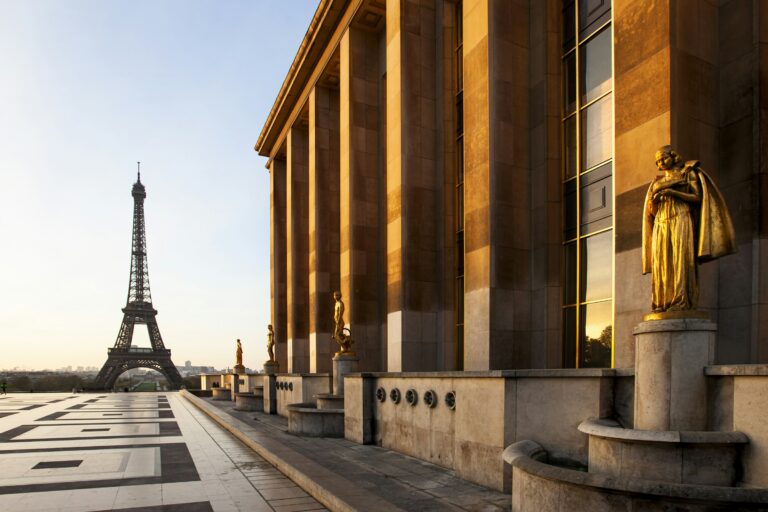
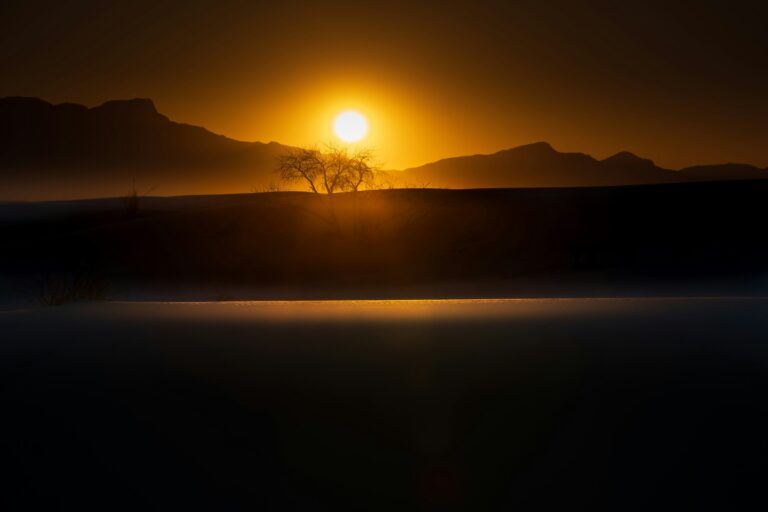
The hour after sunrise and before sunset gives softer, warmer light that makes almost any scene look better. Midday sun is the hardest light to work with — plan accordingly.
Use the rule of thirds, then break it
Most phone camera apps have a grid overlay — turn it on. Placing your subject off-center usually creates a more dynamic photo than dead-center framing.
Get closer than feels comfortable
Most travel photos fail because the subject is too small in the frame. Move closer, or zoom with your feet rather than the lens.
Include a person for scale
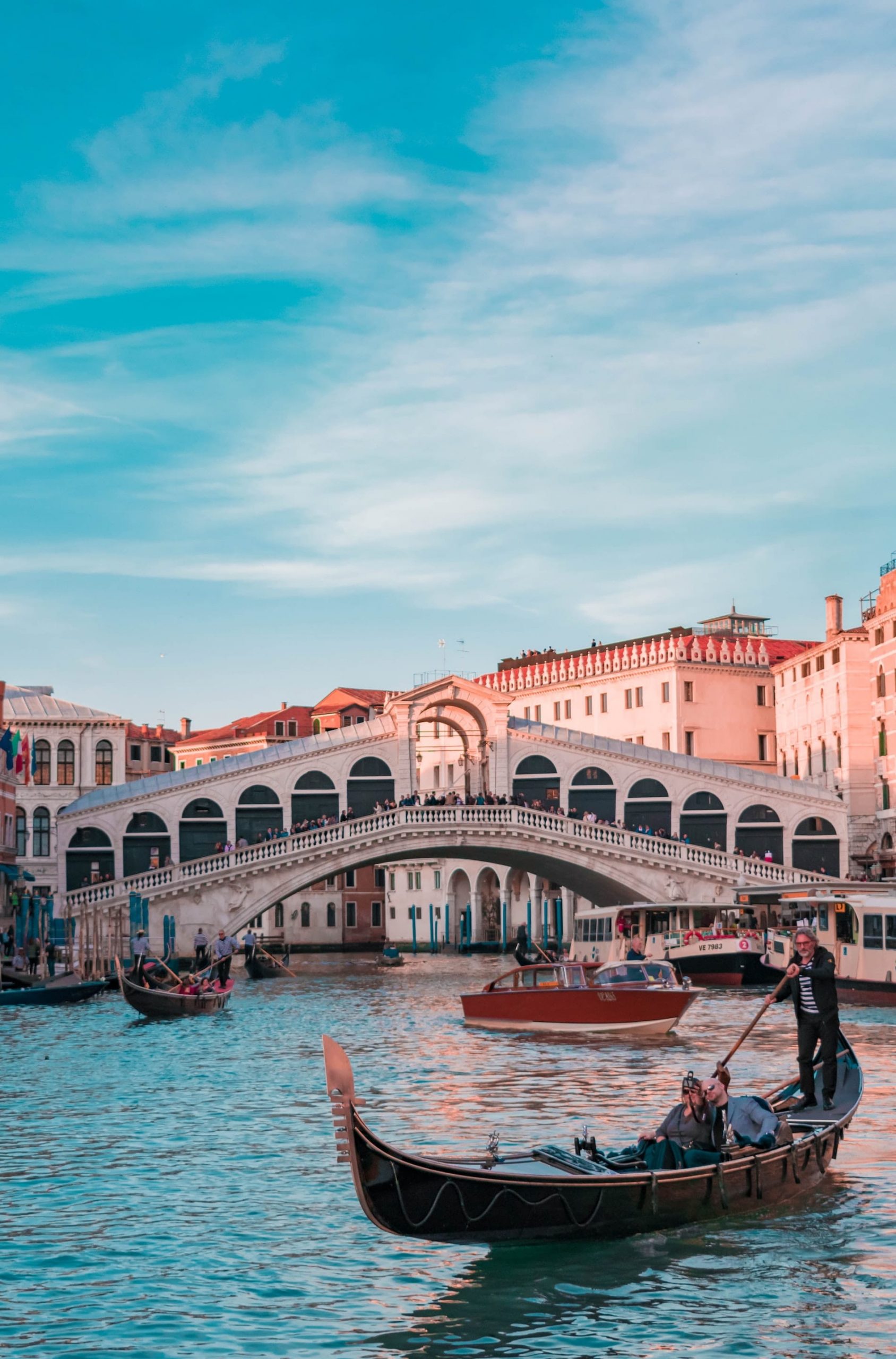
A landscape photo with a person in it — even small in the frame — communicates scale and story in a way an empty landscape often can’t.
Clean your lens — seriously
The single most common cause of blurry or hazy phone photos is a smudged lens from being in your pocket. A 3-second wipe before every shot noticeably improves photo quality.
Use gridlines and leading lines
Roads, fences, rivers, and staircases naturally draw the eye through a photo when you compose along them rather than across them. Look for these lines in a scene before you shoot.
Don’t rely on digital zoom
Digital zoom degrades image quality significantly. If you can’t get physically closer, it’s almost always better to shoot wider and crop later than to zoom in-camera.
Edit lightly, but edit
A quick pass adjusting exposure, contrast, and warmth in your phone’s native editor makes a bigger difference than any filter. Aim for photos that look like an enhanced version of what you actually saw, not a dramatically different scene.
Related Reading
Shoot in RAW or your phone’s ‘Pro’ mode when available
Most modern phones offer a manual or RAW shooting mode that captures significantly more detail in shadows and highlights than the default auto mode, giving you far more flexibility when editing later — especially useful in high-contrast scenes like sunsets or bright, snowy landscapes.
Candid beats posed almost every time
Photos of people genuinely engaged in an activity — cooking, laughing, working — consistently outperform posed shots for capturing the feeling of a place. Take a few posed photos for the memory, but prioritize candid moments for the ones you’ll actually want to look at again.
Weather you’d normally avoid often makes the best photos
Fog, storm clouds, and the moments right after rain create dramatic light and reflections that flat, sunny days can’t match. Don’t put the camera away just because the weather isn’t picture-perfect by conventional standards.
Back up your photos every single day
A lost or stolen phone shouldn’t mean losing your entire trip’s photos. A nightly backup to cloud storage or a portable drive takes a few minutes and is the single most important habit for travel photography, regardless of how good your shots are.
Understanding your phone’s HDR mode
HDR (High Dynamic Range) blends multiple exposures to capture detail in both bright and dark areas of a scene — genuinely useful for landscapes with a bright sky and a shadowed foreground, but it can make portraits look unnatural. Learn when your phone applies it automatically and how to turn it off for people shots.
Building a simple but effective photo routine
Rather than photographing everything, experienced travel photographers pick two or three moments a day to actually slow down for — checking composition, waiting for better light, taking a few variations. This produces a smaller but genuinely better collection than hundreds of quick, unconsidered shots.
Photography as a way of seeing, not just capturing
The habit of actively looking for good light, interesting composition, and genuine moments — even on days you don’t take a single photo — makes you notice more about the places you visit. Good travel photography and genuinely present travel experiences tend to reinforce each other.

Destinations Editor at Travelcho, covering food culture, city guides, and budget travel across Asia and Europe.