Last verified: July 2026.
As of early 2026, Peru’s main tourist circuit — Lima, Cusco, the Sacred Valley, and Machu Picchu — has returned to a stable operating state, with the government specifically prioritizing security in what’s known as the Southern Tourist Corridor. Machu Picchu is running at full capacity and trains are on schedule. Within that circuit, the honest risk picture is this: violent crime against tourists is genuinely rare, and what actually trips people up is a mix of street-level scams in Lima and altitude-related health issues — not danger in the way “is it safe” often implies.
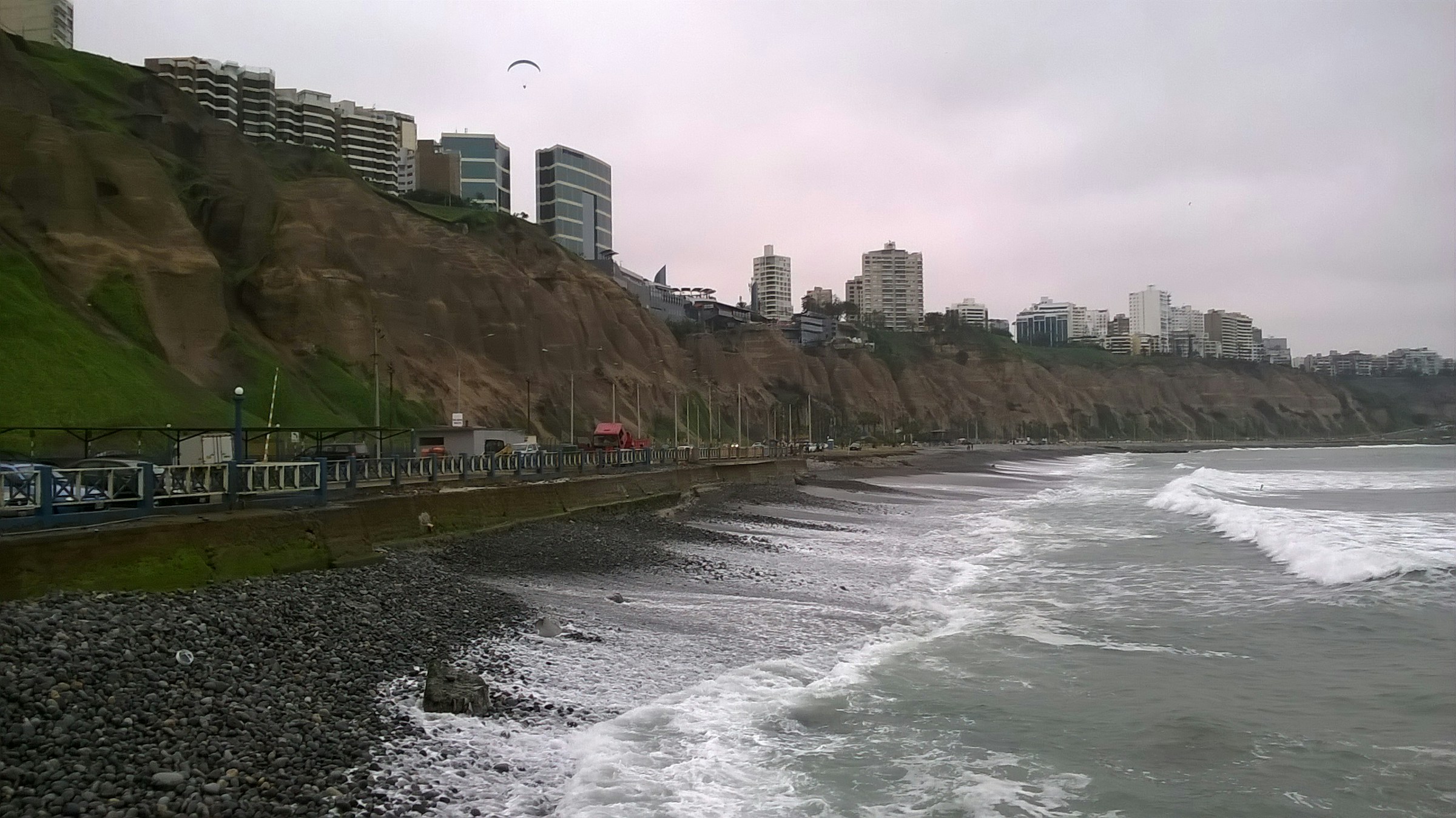
Lima: stick to the tourist-friendly districts and official transport
Lima is safe for the areas nearly every itinerary actually uses — Miraflores, San Isidro, and Barranco are well-policed, tourist-oriented neighborhoods where normal city awareness is enough. Street crime is the real risk category, and it concentrates specifically around unofficial transport:
- Never flag down a random taxi on the street, especially at night. Use Uber or Cabify, both of which operate reliably in Lima and Cusco and leave a digital trail — or have your hotel or restaurant call a registered taxi if you don’t have data.
- “Express kidnapping” via street taxi is a specifically reported risk tied to exactly this — an unofficial driver taking a passenger to ATMs under duress. It’s avoided almost entirely by the same rule above: app-based or hotel-called transport only.
- Fake police officer wallet inspections — someone posing as a plainclothes or uniformed officer asks to inspect your wallet or documents “for a check,” then either steals from it or demands a bribe. Real Peruvian police don’t conduct random wallet inspections of tourists on the street; it’s reasonable to ask to go to a police station rather than comply on the spot.
Cusco: safe, if you stay central and handle cash sensibly
Cusco’s historic center is heavily policed and violent crime against tourists is rare — for the vast majority of travelers who stay central, use official transport, and don’t flash cash or valuables, the actual risk is low and well-managed. The same “official transport only” rule that applies in Lima is worth carrying over here.
The scam worth knowing before you book anything: fake Machu Picchu ticket sites
This is specific enough to name directly: fraudulent websites and social media accounts impersonate official Machu Picchu ticket vendors, sometimes convincingly. The only legitimate sources are Peru’s official government booking system or an established, reputable travel agency based in Cusco. If a deal looks unusually cheap or is being offered through an unfamiliar site or social media ad close to your travel date, treat it as a red flag rather than a bargain — full booking guidance in our Peru Travel Guide.
The risk that isn’t about safety at all: altitude
This deserves its own mention here because it’s a genuine health consideration, not a crime risk — Cusco’s 3,400-meter elevation causes real altitude sickness symptoms in a meaningful share of visitors who don’t acclimatize, particularly those flying directly from sea level. It’s covered in full in our Peru Travel Guide, but it belongs on any honest “is Peru safe” answer, since for most visitors it’s a more likely trip disruption than crime.
Practical habits worth having anyway
- Use Uber or Cabify for all taxi travel in Lima and Cusco — this one habit addresses most of the actual street-crime risk.
- Book Machu Picchu tickets only through the official government site or a known, established Cusco agency.
- Keep a photo of your passport and entry stamp on your phone.
The bottom line
Peru’s main tourist circuit is safe for the vast majority of visitors who use official transport and book through legitimate channels. The two things actually worth real preparation are avoiding unofficial street taxis in Lima and respecting Cusco’s altitude — neither is difficult once you know to plan for it.
For the rest of the planning picture, see our visa guide, when to go, and full Peru Travel Guide. Also see Is It Safe to Travel to Thailand? and Is Greece Safe to Travel?.
Frequently asked questions
Is Lima safe for tourists?
Yes, in the main tourist districts (Miraflores, San Isidro, Barranco) using official transport — the real risk is street crime tied to unofficial taxis, not danger in well-touristed areas generally.
Is Cusco safe at 3,400 meters of altitude?
Safe from a crime perspective, but altitude sickness is a real and common physical effect worth acclimatizing for — 2–3 days before heading to Machu Picchu is the standard, sensible approach.
How do I avoid fake Machu Picchu ticket websites?
Book only through Peru’s official government ticketing system or an established Cusco travel agency — never through an unfamiliar site or social media ad, especially one offering unusually cheap last-minute tickets.
Comparing destinations? See Is It Safe to Travel to Thailand? and Is Greece Safe to Travel?.
Also see Is Iceland Safe to Travel?.
Also see Is Bali Safe to Travel?.
Planning a trip to Peru? See the full Peru travel guide, or get the complete Peru Travel Guide for offline itineraries and insider tips.

Destinations Editor at Travelcho, covering food culture, city guides, and budget travel across Asia and Europe.