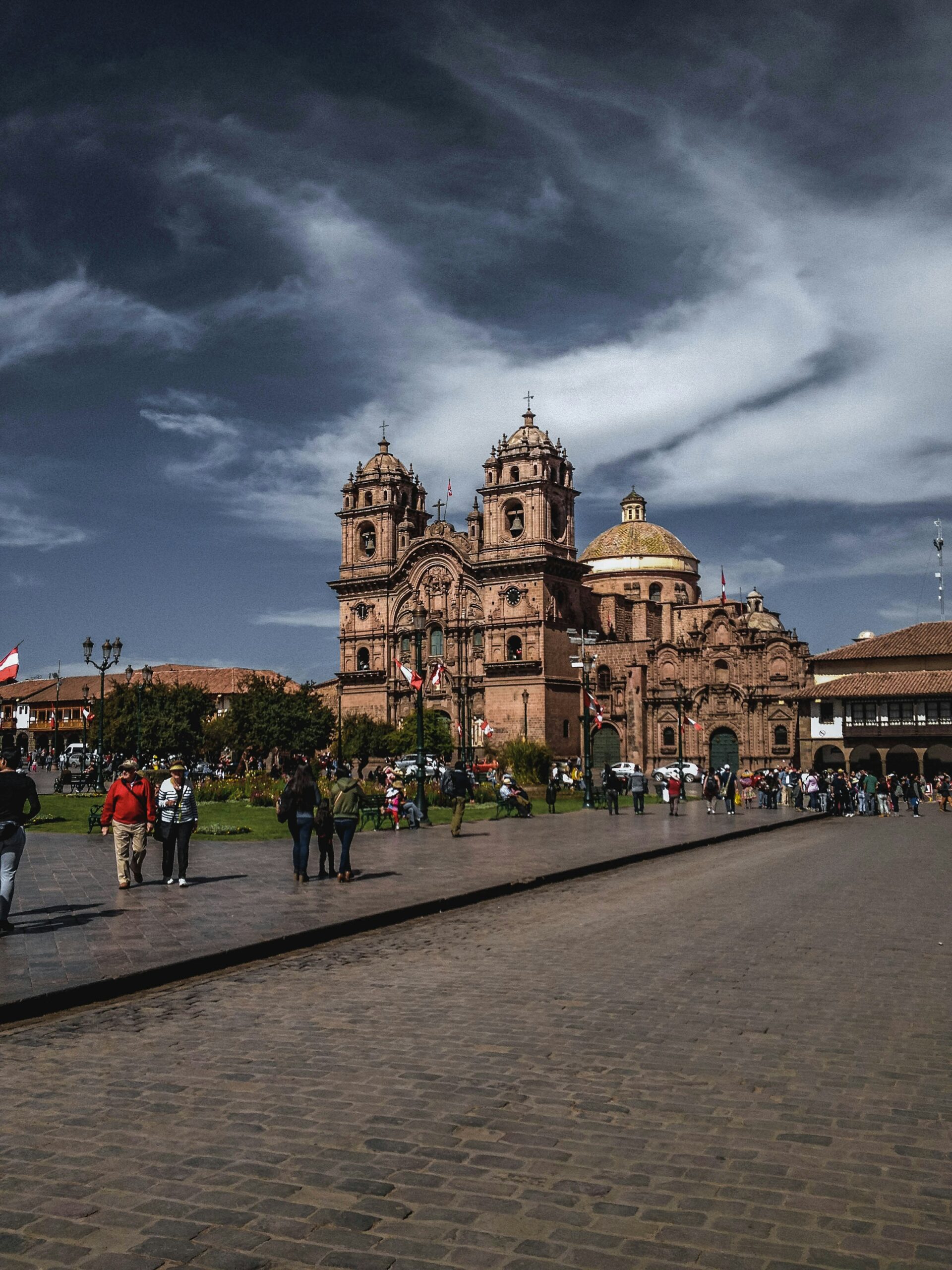
Peru is the first destination in this guide where the biggest planning risk isn’t weather, crowds, or money — it’s your own body. Cusco sits at 3,400 meters, higher than almost anywhere else most travelers will ever sleep, and flying in from sea level and heading straight out to explore is the single most common way a Peru trip gets derailed by altitude sickness in the first 48 hours. Everything else in this guide matters; this is the one thing worth building your entire itinerary around.
Quick Facts
- Currency: Peruvian sol (S/). Cards work in Lima and tourist-oriented Cusco businesses; smaller towns and markets are cash-based.
- Language: Spanish, with Quechua widely spoken in the Andes. English is common in Lima and Cusco’s tourist zones, much less so elsewhere.
- Plug type: Type A/B/C, 220V — bring an adapter; check your devices handle 220V.
- Visa: US and UK citizens (among many others) don’t need a visa for tourism, typically granted 90 days on arrival, up to 183 days at an immigration officer’s discretion. Full detail: Do You Need a Visa for Peru?
- Best general-purpose time to visit: May or September — dry season without the July/August crowd peak. Full breakdown: Best Time to Visit Peru.
- Safety: low violent crime against tourists in the main circuit; the real risks are scams and altitude, not danger. Details: Is Peru Safe to Travel?
Altitude, explained properly
Cusco’s 3,400 meters is where most visitors actually feel altitude effects — headache, fatigue, shortness of breath, occasionally nausea. Machu Picchu itself, at 2,430 meters, is meaningfully lower and easier on the body, which is exactly why the standard advice is to spend 2–3 days acclimatizing in Cusco before heading to Machu Picchu, not the other way around. Coca tea (sold everywhere and offered in most hotel lobbies), deliberately light activity for your first day, and drinking more water than feels necessary all help; travelers concerned about symptoms can talk to a doctor about acetazolamide (Diamox) before the trip, particularly if flying in directly from sea level with no buffer days planned.
Machu Picchu tickets: book earlier than you think
This isn’t a same-week booking. Entry tickets are capped and sold only through Peru’s official government system — book only through the official site or an established Cusco travel agency; a real and reported scam involves fraudulent websites posing as ticket vendors. Timing matters as much as the source: peak season (May–September) requires booking 3–4 months ahead for morning slots and Huayna Picchu permits specifically, shoulder season (April, October) needs 1–2 months, and low season (November–March) can often be booked 2–4 weeks out. Full detail on tickets and trains: 7 Days in Peru.
Getting around
Most trips fly Lima to Cusco (about 1.5 hours) rather than attempting the long overland route. From Cusco, reaching Machu Picchu means a train — PeruRail and Inca Rail are the two operators, departing from Cusco directly or from Ollantaytambo in the Sacred Valley (a shorter, roughly 1 hour 45 minute ride from there versus about 3.5 hours from Cusco itself) — there’s no road to Aguas Calientes, the town at the base of the site.
What it costs
Peru’s cost range is wide and heavily shaped by one line item: Machu Picchu tickets and trains. A realistic mid-range daily budget outside that specific leg — accommodation, food, local transport — runs around €50–80 ($55–90) per person per day. The Machu Picchu trip itself adds a real, separate cost: round-trip train fares range from roughly $80 in economy class to $500+ for the luxury Hiram Bingham service, plus the entry ticket itself, worth budgeting as its own line rather than folding into a daily average.
Where the rest of this coverage picks up
- Is Peru Safe to Travel? — Lima-specific scams, the official ticket-site warning, and what’s actually rare versus common
- Do You Need a Visa for Peru? — entry rules for major nationalities, and the one thing to ask for at immigration
- Best Time to Visit Peru — dry vs. wet season, and the one month the Inca Trail closes entirely
- A Complete Guide to Visiting Machu Picchu — our existing deep dive on the site itself
- 7 Days in Peru: The Complete Itinerary — Lima, Cusco, and Machu Picchu, with real train costs and acclimatization built in
And for the depth this page can only summarize — full trekking options beyond the classic route, and the detail that makes the difference at altitude — that’s what our Peru Travel Guide is built for.
Planning a trip to Peru? See the full Peru travel guide, or get the complete Peru Travel Guide for offline itineraries and insider tips.

Destinations Editor at Travelcho, covering food culture, city guides, and budget travel across Asia and Europe.