Last verified: July 2026. Mountain conditions change fast — check the sources linked below close to any trip involving hiking, skiing, or backcountry travel.
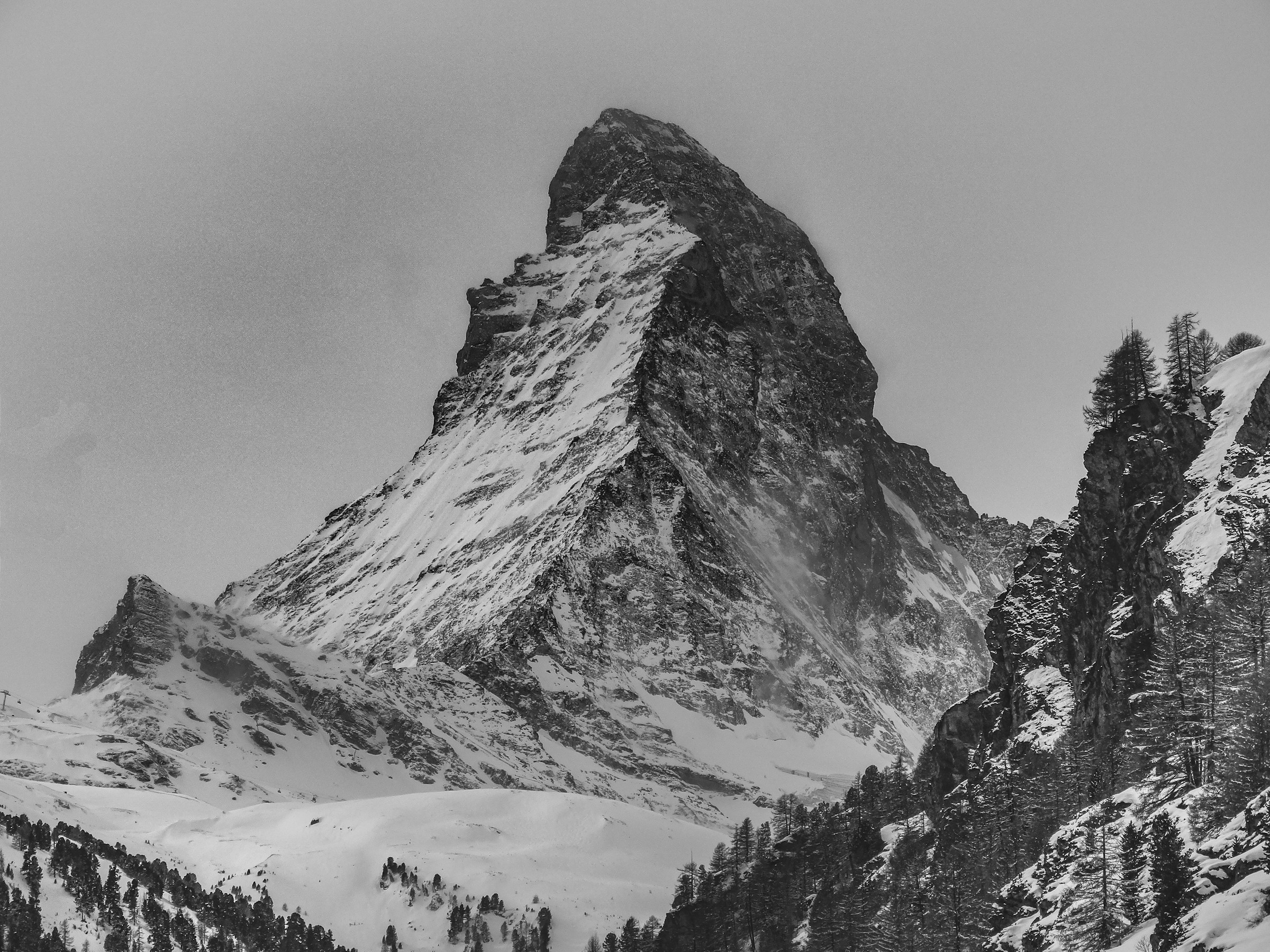
Switzerland carries a Level 1 “Exercise Normal Precautions” rating, and violent crime against tourists is genuinely rare — Swiss cities are consistently among the safest in Europe. As with Iceland elsewhere in this guide, the honest risk picture here isn’t about other people; it’s about the mountains, and it deserves real specificity rather than a generic “be careful in the Alps” line.
Avalanche and mountain conditions: real, current, and worth checking directly
This is worth stating plainly: earlier in 2026, avalanche danger reached Level 4 (High) in parts of Valais and Graubünden following heavy snowfall — a genuinely elevated, official warning level, not routine winter caution. This kind of alert is seasonal and specific to certain cantons and conditions, not a standing year-round risk, which is exactly why checking current status rather than relying on general “Alps are dangerous” assumptions matters. Before any backcountry skiing, off-piste travel, or serious winter hiking, check the SLF’s daily avalanche bulletin at avalanche.report — Switzerland’s dedicated snow and avalanche research institute, and the authoritative source. Stay on marked, patrolled trails and pistes unless you have specific local knowledge and proper equipment (an avalanche beacon, at minimum, for any backcountry snow activity).
Summer hiking: lower-stakes, still worth respecting
Alpine weather changes fast regardless of season — a clear morning can turn to genuine cold and low visibility at altitude within hours, even in July. Stick to marked trails matching your fitness and experience level, check a real weather forecast for your specific elevation (not just the valley town below it) before a serious hike, and carry warm layers even on a hot-looking summer day — this one habit prevents most weather-related hiking problems in the Alps.
What isn’t the real risk
Crime, in the sense this section covers for most other destinations in this guide, essentially isn’t a meaningful category in Switzerland — petty theft exists in the way it does in any tourist-dense train station, but nothing approaching the organized pickpocketing risk documented in, say, Paris or Rome. Swiss cities and trains are safe to navigate with normal awareness and nothing more.
Practical habits worth having anyway
- Check avalanche.report before any winter mountain activity beyond a resort’s marked, patrolled pistes.
- Check mountain-specific weather (not just the nearest town’s forecast) before a serious summer hike.
- Confirm your travel insurance covers mountain rescue, including helicopter evacuation if relevant to planned activities — a real cost if needed and one Swiss mountain rescue services can require insurance proof for.
The bottom line
Switzerland is about as low-crime as this guide covers anywhere. The genuine, specific risk is mountain conditions — avalanche danger in winter, fast-changing alpine weather in summer — both of which are well-monitored and easy to check in real time rather than guess at.
For the rest of the planning picture, see our visa guide, when to go, and full Switzerland Travel Guide. Also see Is Iceland Safe to Travel? for another destination where nature, not crime, is the real consideration.
Frequently asked questions
Is Switzerland safe for hiking?
Yes, on marked trails with normal preparation — the main considerations are fast-changing alpine weather and, in winter, avalanche conditions in backcountry areas specifically.
How do I check current avalanche risk in Switzerland?
The SLF’s official bulletin at avalanche.report is the authoritative, real-time source — check it before any winter activity beyond a resort’s marked, patrolled pistes.
Is crime a concern in Zurich or Geneva?
Not meaningfully — both are consistently rated among Europe’s safest cities, with only the ordinary petty-theft awareness worth applying in any busy train station.
Comparing destinations? See Is Iceland Safe to Travel? and Is France Safe to Travel?.
Planning a trip to Switzerland? See the full Switzerland travel guide, or get the complete Switzerland Travel Guide for offline itineraries and insider tips.

Destinations Editor at Travelcho, covering food culture, city guides, and budget travel across Asia and Europe.