







Last verified: July 2026. Volcanic activity status changes — check safetravel.is for real-time status close to your travel dates.
Iceland is consistently ranked among the safest countries in the world, and that’s true in the way most “is it safe” articles mean it: violent crime against tourists is close to nonexistent, and you can walk around Reykjavík at any hour without the caution you’d apply in most capital cities. What actually deserves your attention in Iceland isn’t other people — it’s the country’s geology and weather, both genuinely more extreme than most places this guide covers.
Volcanic activity: real, current, and consistently well-managed
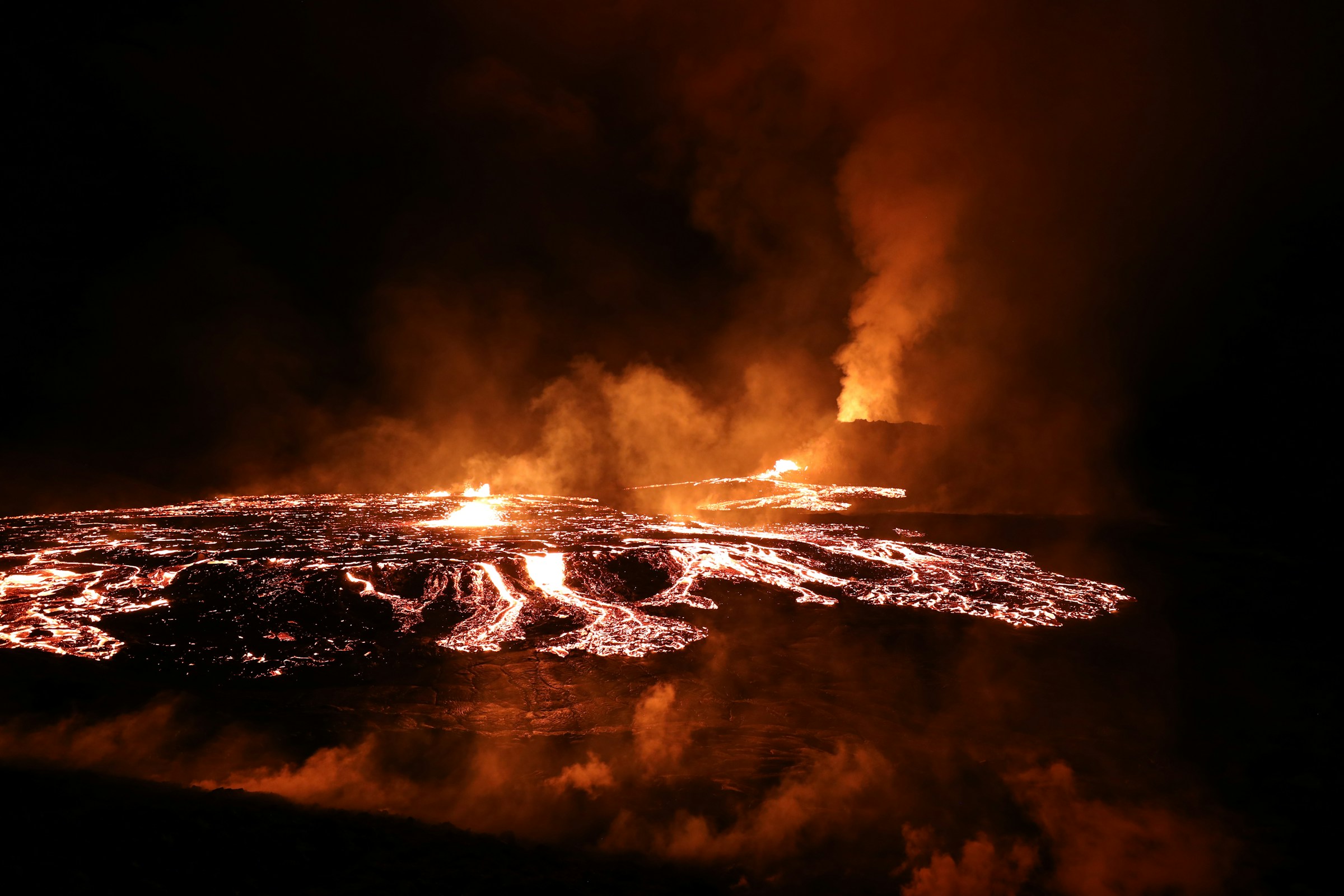
The Reykjanes Peninsula has seen more than 10 eruptions since 2021, and further activity remains a real possibility, monitored closely by the Icelandic Meteorological Office. The practical reality, borne out across every recent eruption: flights continue operating normally, the Ring Road stays open, tours run on schedule, and access to any active area is tightly controlled by Icelandic civil protection authorities — this isn’t a country improvising its response, it’s one of the most experienced volcanic-monitoring nations on Earth. Check safetravel.is and the Meteorological Office’s live data at en.vedur.is before your trip and again close to departure — not out of unusual caution, just the same due diligence worth applying to any active geological area.
Weather: the more likely disruption
Iceland’s weather changes fast and can shift a plan more than volcanic activity typically does — a clear morning can turn to sideways sleet by afternoon, particularly outside summer. Check forecasts daily during a trip (the Meteorological Office’s site again, doing double duty here), and build schedule flexibility into any multi-day Ring Road plan rather than a tight, unmovable itinerary.
Driving: where most real Iceland trip problems actually happen
This is worth naming directly: driving conditions, not crime or volcanoes, cause the most actual visitor incidents in Iceland. Winter driving involves ice, high winds strong enough to genuinely affect vehicle control on exposed stretches, and long distances between services. A few concrete habits matter more here than almost anywhere else in this guide: check road.is for real-time road conditions before any day’s drive, never attempt an F-road without a 4×4 (they’re closed to standard cars for real safety reasons, not just recommendation), and don’t push through a storm warning to keep a schedule — Iceland’s tourist infrastructure is used to accommodating a delayed traveler far better than it is a driving incident.
What isn’t the real risk
Crime, in the conventional sense this section covers for every other destination in this guide, essentially isn’t a meaningful category here. Iceland’s biggest safety story is nature, not people — which is a genuinely different kind of “be careful” than Rome’s pickpockets or Bangkok’s tuk-tuk scams.
Practical habits worth having anyway
- Check road.is before driving anywhere outside Reykjavík, every day of a road-trip-based itinerary.
- Check safetravel.is and en.vedur.is before booking and again shortly before departure.
- Never approach lava fields, fissures, or restricted areas beyond official viewpoints, regardless of how safe conditions look from a distance.
The bottom line
Iceland’s crime risk is about as close to zero as this guide covers anywhere. The real preparation is respecting the weather and driving conditions, and staying honestly informed — not alarmed — about volcanic activity through the country’s own excellent monitoring resources rather than international headlines.
For the rest of the planning picture, see our visa guide, when to go, and full Iceland Travel Guide. Also see Is Peru Safe to Travel? and Is France Safe to Travel?.
Frequently asked questions
Is it safe to visit Iceland during a volcanic eruption?
Generally yes — Iceland’s eruptions are typically localized, closely monitored, and access-controlled by authorities. Flights and the Ring Road have continued operating normally through every recent eruption cycle. Check safetravel.is for current status.
Is crime a concern in Iceland?
Essentially no — it’s one of the lowest-crime countries in the world. The real safety considerations are weather and driving conditions, not crime.
Do I need a 4×4 to drive in Iceland?
Only if you’re driving F-roads (highland roads, open in summer only) — a standard 2WD car handles the Golden Circle and a paved Ring Road route fine.
Comparing destinations? See Is Peru Safe to Travel? and Is Greece Safe to Travel?.
Also see Is Switzerland Safe to Travel?.
Planning a trip to Iceland? See the full Iceland travel guide, or get the complete Iceland Travel Guide for offline itineraries and insider tips.

Destinations Editor at Travelcho, covering food culture, city guides, and budget travel across Asia and Europe.